

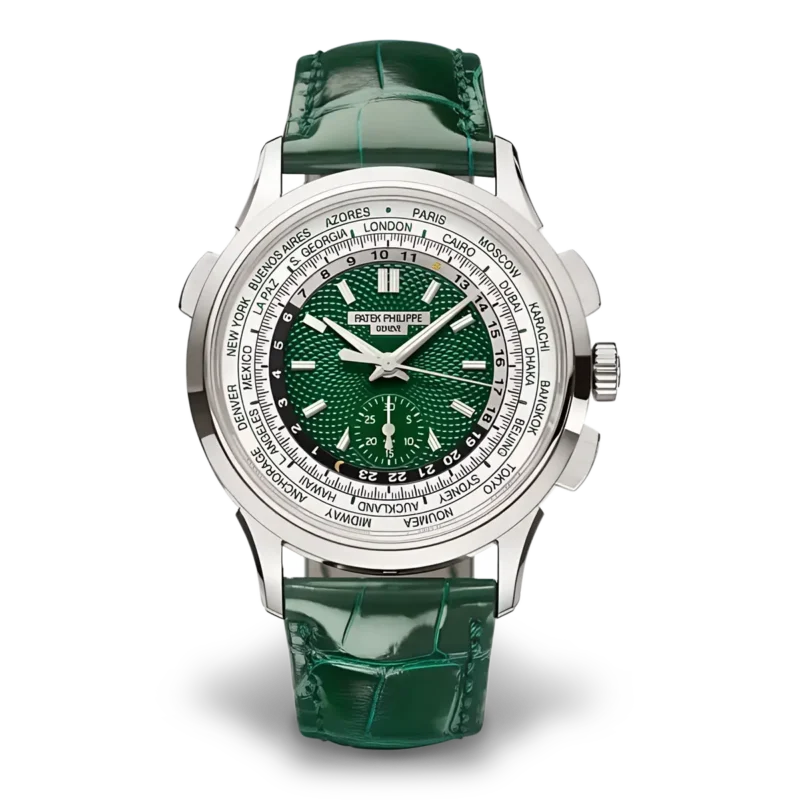
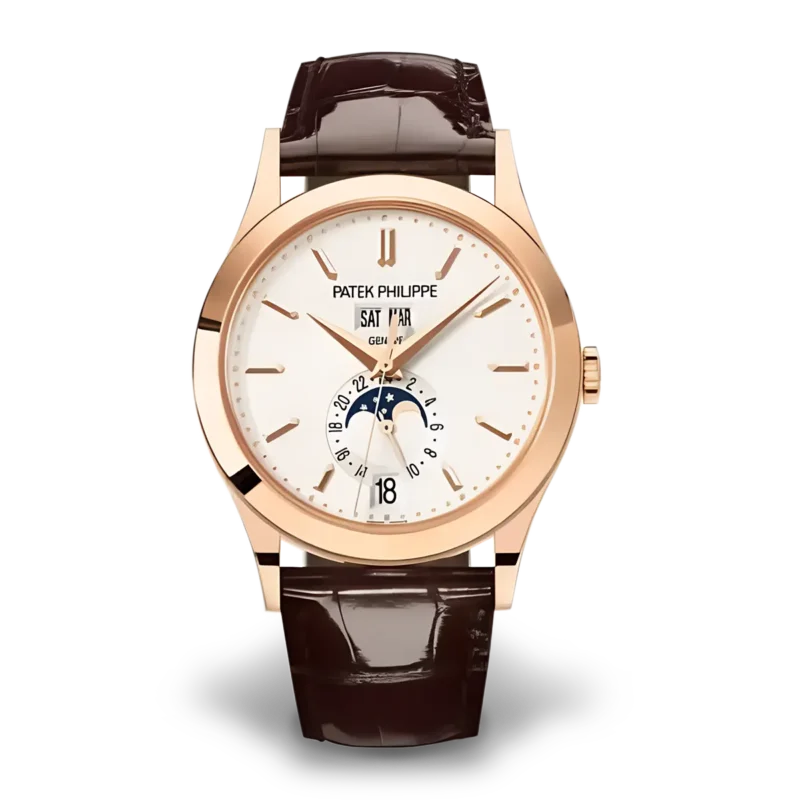
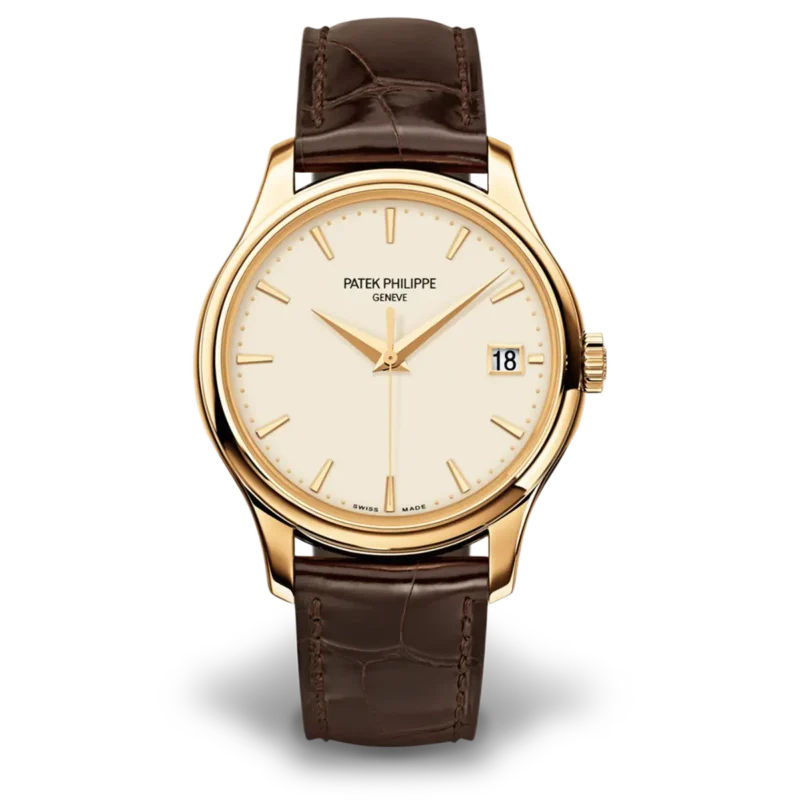
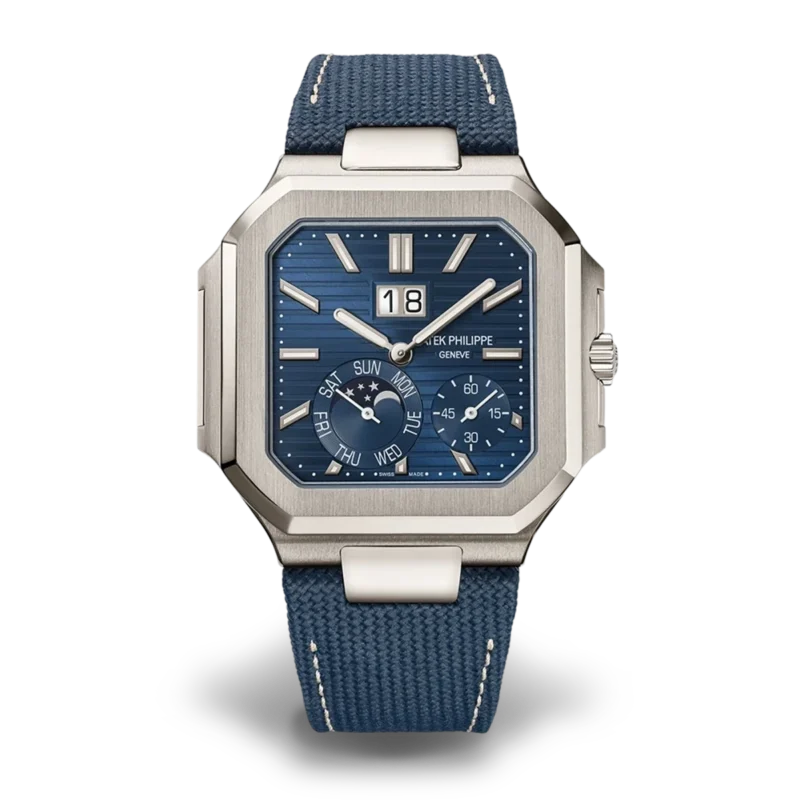

Are Replica Patek Philippe Watches Worth Buying?
Jul
Replica Patek Philippe Worth Buying? A Collector’s Honest Take
Thirty years of handling watches — genuine and otherwise — and this question still comes up weekly. Is a replica Patek Philippe worth buying? The short answer: it depends on what you want from a watch. The long answer fills the next few thousand words. Grab a coffee.
Quick Navigation
Any watch person will tell you — Patek Philippe sits at the peak of the mountain. The name carries weight that no other brand quite matches. Swiss hand-finishing passed down through generations. Complications that take years to develop. Pieces that routinely fetch seven figures at auction.
But with genuine Patek prices starting around $25,000 and climbing into the millions — most wrists will never wear one. That’s the gap PP replica watches fill. More accessible timepieces that capture the iconic styling without the six-figure commitment. But are they actually worth it?
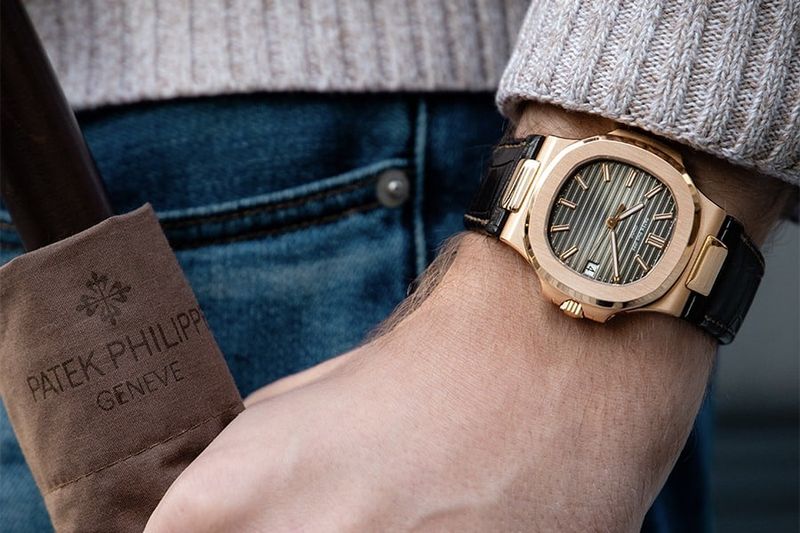
Replica Watch Basics — What You’re Actually Getting
A replica watch aims to recreate the look and feel of a luxury original using more affordable materials and movements. The quality spectrum is enormous — from disposable fashion accessories to meticulously crafted pieces that pass visual inspection by trained eyes.
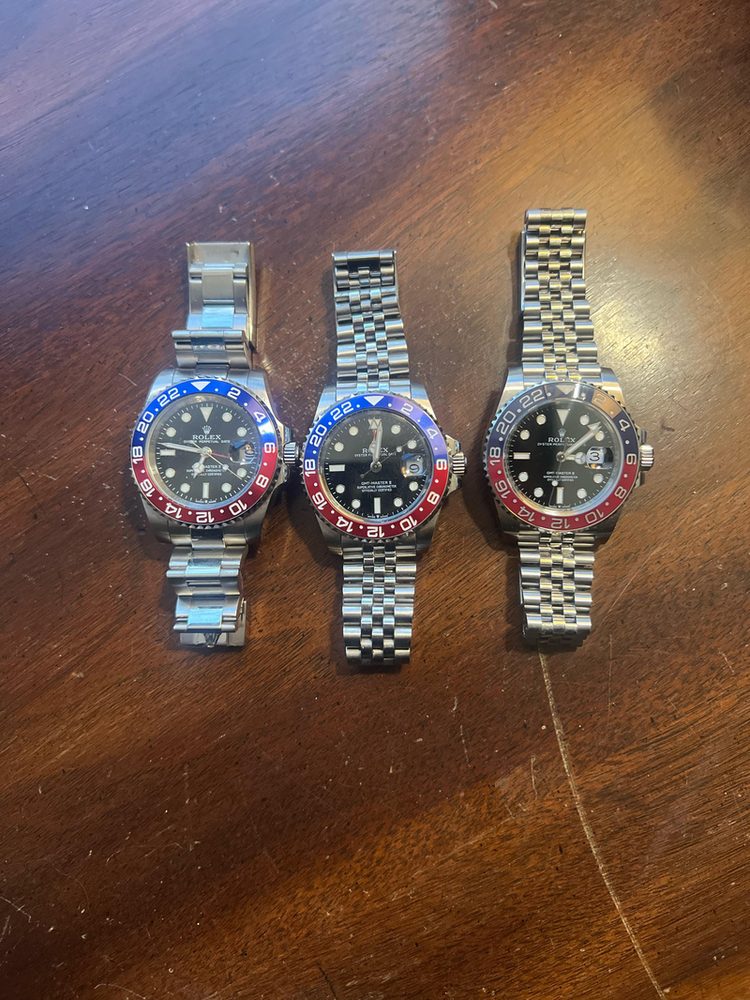
Why people buy them:
- Access to iconic design — Patek silhouettes like the Nautilus and Calatrava are instantly recognizable. Replicas let you wear those shapes daily.
- Style experimentation — Try different collections before committing to a genuine purchase down the road.
- Visual accuracy — Top-tier replicas match the genuine article closely enough that casual observers won’t spot the difference.
For a thorough buying process walkthrough, see our step-by-step guide covering QC photos, dealer selection, and first-month ownership tips.
Three Quality Tiers — Not All Replicas Are Equal
This is where most newcomers go wrong. They see “replica Patek” and assume one quality level. The reality splits into three distinct categories, and the gap between bottom and top is massive.
Verdict: If a PP replica is worth buying depends entirely on which tier you choose. Entry level? Probably not. Superclone? That’s a different conversation entirely.
How to Judge a Fake Patek Philippe
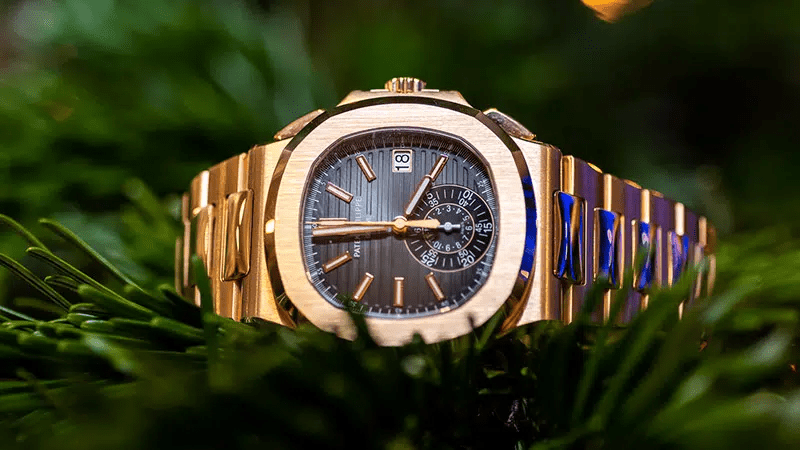
Patek Philippe sets the bar in Swiss watchmaking. Every surface gets attention — from the porthole ears on a Nautilus to the hand-beveled bridges inside the case. A good replica must reproduce these details convincingly.
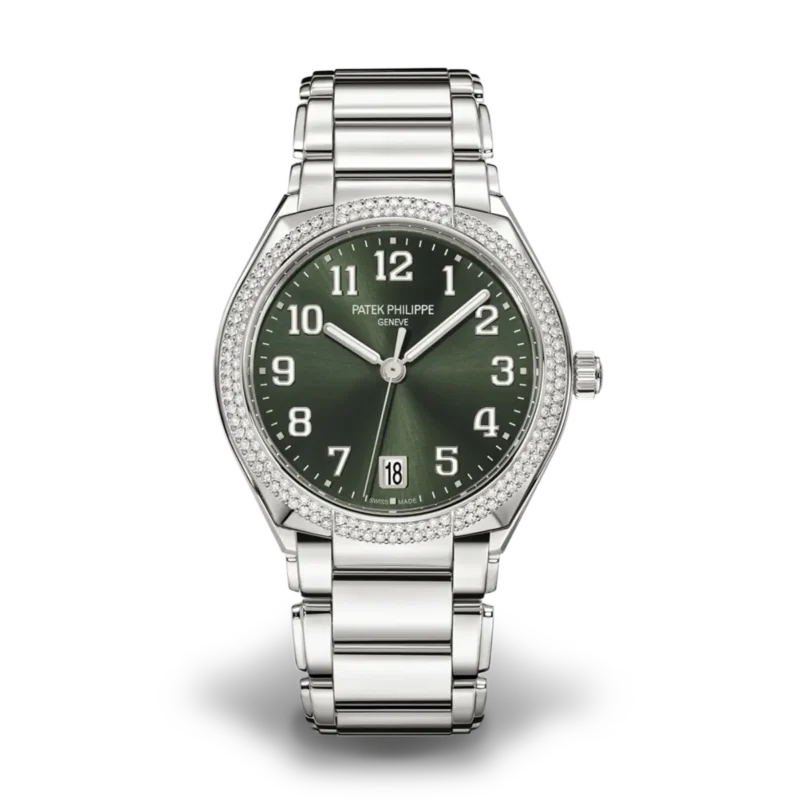
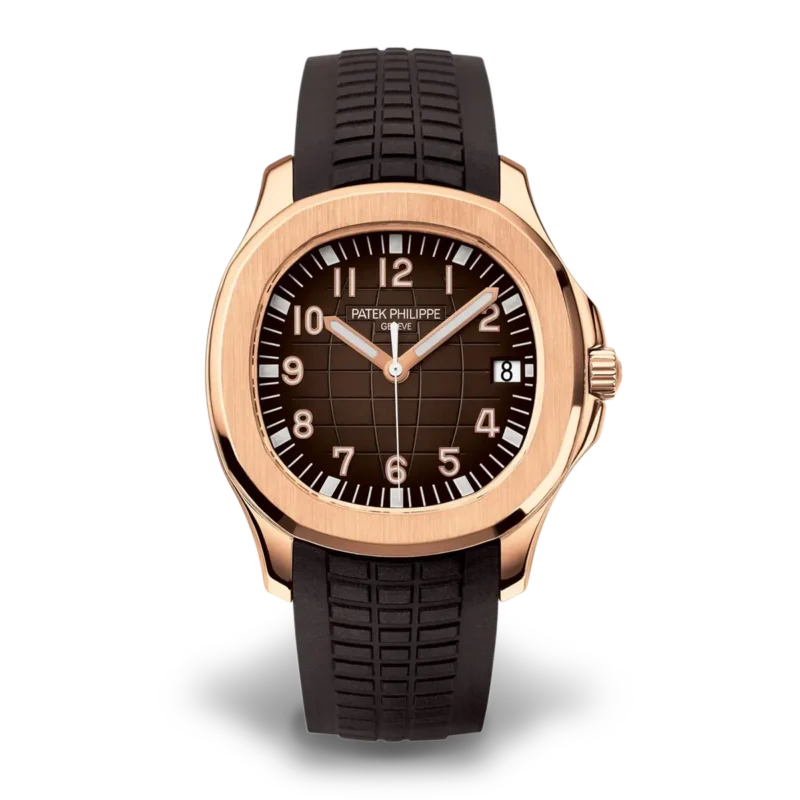
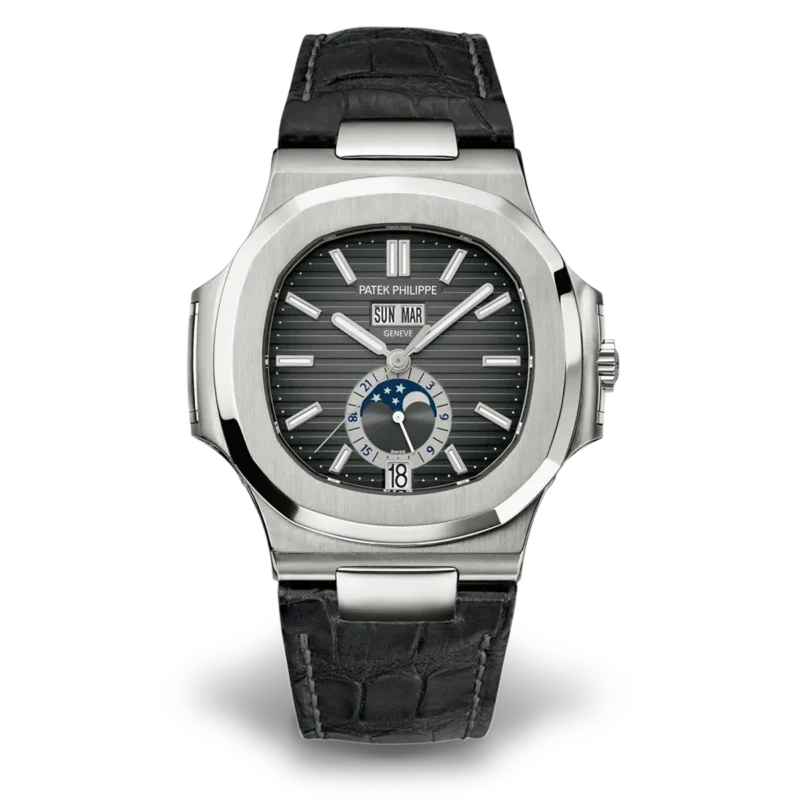
Case shape and finishing. The Nautilus porthole, the Calatrava round case, the Aquanaut cushion — each shape has exact proportions. Good replicas nail the silhouette. Great ones also replicate the brushing angles and polished chamfers.
Dial work. Genuine Patek dials feature multi-layer construction: sunburst patterns, applied markers with individual lume fill, precisely printed text. Check index alignment (all twelve should point exactly to center), hand length relative to markers, and date font — Patek uses a distinctive date wheel font that cheap replicas miss.
Materials feel. Weight matters. A genuine Nautilus 5711 in steel weighs about 120 grams with bracelet. Cheap alloy replicas feel noticeably lighter. Top-tier versions using 316L or 904L steel match the heft almost exactly.
For a side-by-side comparison of what tells real from fake, check our detailed visual guide.
Movements — The Engine Inside
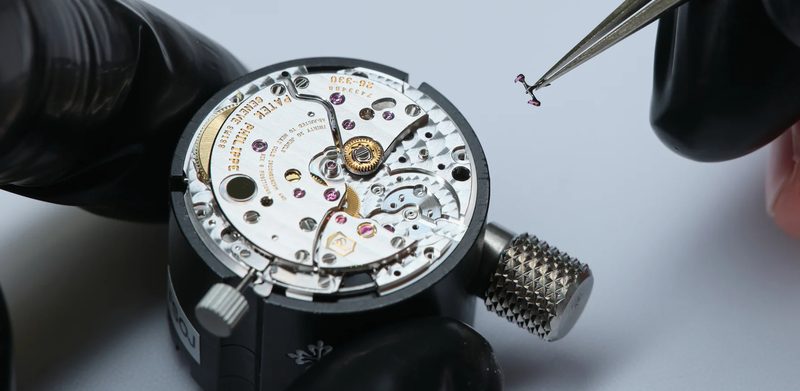
Genuine Patek Philippe calibers represent the peak of mechanical watchmaking. In-house designs, hand-decorated, Patek Seal certified (stricter than COSC). No clone will fully match that pedigree.
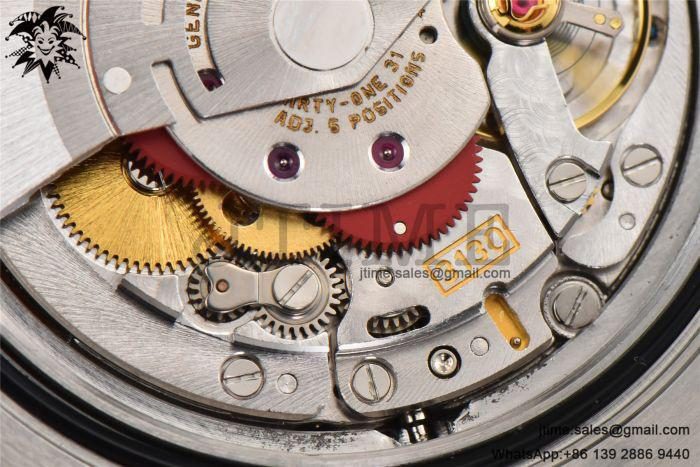
But modern clone movements come surprisingly close in daily performance:
Tip: The clone 324 SC is the movement to look for in Nautilus and Aquanaut replicas. It replicates the rotor shape, decoration pattern, and automatic winding visible through the sapphire caseback. See our factory comparison for which factories use which calibers.
The Value Proposition — What You Get vs What You Miss
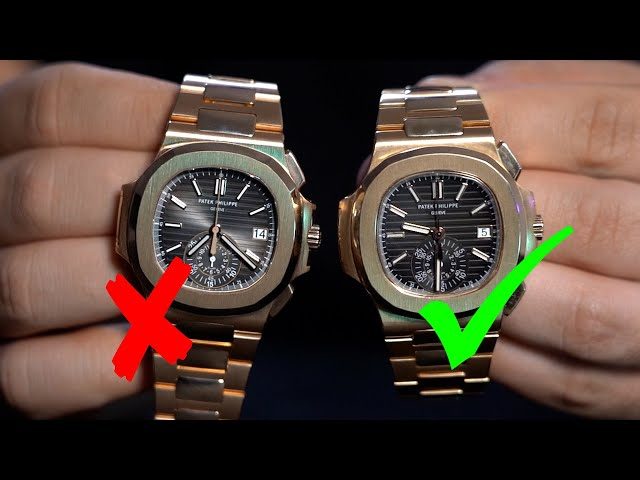
A genuine Nautilus 5711 retails for around $35,000 — and trades on the secondary market for double that. A top-tier replica delivers roughly 95% of the visual experience. That math speaks for itself.
What you get: the design DNA, the wrist presence, the styling options, and surprisingly decent mechanical performance from modern clone movements. Your colleagues won’t know. Your barber won’t know. Most watch enthusiasts won’t know unless they hold it under a loupe.
What you miss: the heritage story, the investment potential, the Patek Seal certification, and the knowledge that every bridge was hand-beveled in Geneva. These things matter to serious collectors. They may not matter to you — and that’s perfectly fine.
For our detailed analysis of the value question with real-world examples, see Are PP Replicas Worth It? — a companion piece that goes deeper into specific scenarios.
Insight: The PP replica worth-buying question boils down to this: are you buying a watch or buying a story? If you want the story — save for genuine. If you want the watch on your wrist — a superclone delivers.
Caring for Your Replica
Treat your replica with the same respect you’d give a genuine Swiss watch and it will last years:
- Weekly cleaning — Soft toothbrush, mild soap, lukewarm water. Scrub the bracelet links where skin oil collects. Rinse and dry with a microfiber cloth.
- Movement service — Every 3-5 years, have a local watchmaker open the case, clean the movement, and oil the escapement. This alone can double the watch’s lifespan.
- Water resistance — Even watches rated for water should be pressure-tested annually. Gaskets degrade. One failed seal ruins a movement.
- Crystal care — Sapphire crystal resists scratches but not impacts. Avoid direct strikes against hard surfaces. If you do scratch it, sapphire can be polished by a professional.
Final Verdict — Who Should Buy One?
After three decades around watches, here’s my honest breakdown of whether a PP replica is worth buying:
Buy one if: You love the Patek aesthetic but aren’t ready for the genuine price tag. You want to test-drive a Nautilus or Aquanaut before investing five figures. You appreciate mechanical watches but don’t need the pedigree paperwork. You travel and want a daily wearer without the anxiety of losing a $40,000 watch.
Skip it if: You’re a strict collector who values provenance above all else. You plan to resell — replicas have zero resale value in the traditional watch market. You need validated precision timing — stick with genuine Swiss for that.
For most people reading this? A well-chosen top-tier replica delivers an experience that punches far above its weight class. Wear what makes you happy.
Frequently Asked Questions
Can a watchmaker tell if my Patek is a replica?
A trained watchmaker will identify a replica once the caseback is open — the movement gives it away. But on the wrist, from the outside, top-tier versions pass casual inspection easily.
Which Patek Philippe model is best as a replica?
The Nautilus 5711 and Aquanaut 5167 have the most refined replicas available — factories have had years to perfect them. See our best models ranked for specific picks.
How long will a PP replica last?
Entry-level: under a year. Mid-tier: 2-4 years. Superclone with regular servicing: 5-10+ years. The movement quality is the main factor. A serviced Miyota 9015 can run reliably for a decade.
Is buying a PP replica worth it over a genuine Tissot or Seiko?
Different purposes. A Tissot PRX or Seiko Presage gives you genuine Swiss/Japanese quality with real brand heritage. A replica Patek gives you the iconic design language of a top-tier brand. One is authentic at its price point. The other is aspirational. Both are valid choices.
What should I check before buying a PP replica?
Request QC (quality control) photos showing: dial alignment, bezel gap, caseback engraving, lume shot, and movement shot. Compare these against genuine reference photos. Read our complete buy guide for the full process.