


Patek Philippe Superclone — Quality Tiers, Materials, and What You Actually Get
Apr
Patek Philippe Superclone — Quality Tiers, Materials, and What You Actually Get
Knowledge Guide • 7 Sections • Updated 2026
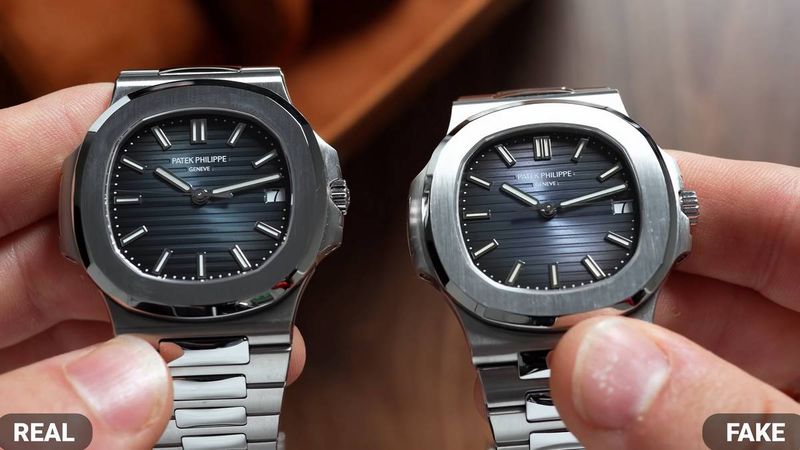
This guide defines each quality tier in the replica market, explains what materials and techniques separate them, and tells you exactly what to expect from each level. If you already know you want the best, jump to the top 7 models tested. If you want to understand movements first, read the clone movement guide.
The Four Quality Tiers — From Low-End to Superclone
The replica watch market runs on a four-tier system. Every Patek Philippe replica fits somewhere on this ladder. Understanding the tiers saves you from overpaying for mid-tier quality or underpaying and getting a piece that falls apart in three months.
Tier 4
Low-End
Alloy case, mineral glass, quartz or DG2813 movement, printed dial, no brand accuracy. DHGate, AliExpress tier.
Tier 3
Mid-Range
316L steel, sapphire crystal, Asian 2824 movement, decent dial. Passes casual inspection. Entry-level factories.
Tier 2
High-End
316L steel, AR-coated sapphire, Miyota 9015, multi-pass finishing, accurate dial proportions. BBF, mid-PPF.
Tier 1
Superclone
316L/904L steel, double AR sapphire, clone movement, hand-finished case, correct weight. ZF, 3K, top PPF.
Materials — What a Superclone Is Actually Made Of
The case material defines the tier. Genuine Patek Philippe uses 316L stainless steel for sports models — the same grade used in surgical instruments and marine hardware. A Patek Philippe superclone uses identical 316L sourced from Chinese mills that supply the legitimate watch industry. The alloy composition (iron, chromium 16-18%, nickel 10-14%, molybdenum 2-3%) determines corrosion resistance, hardness, and polishability.
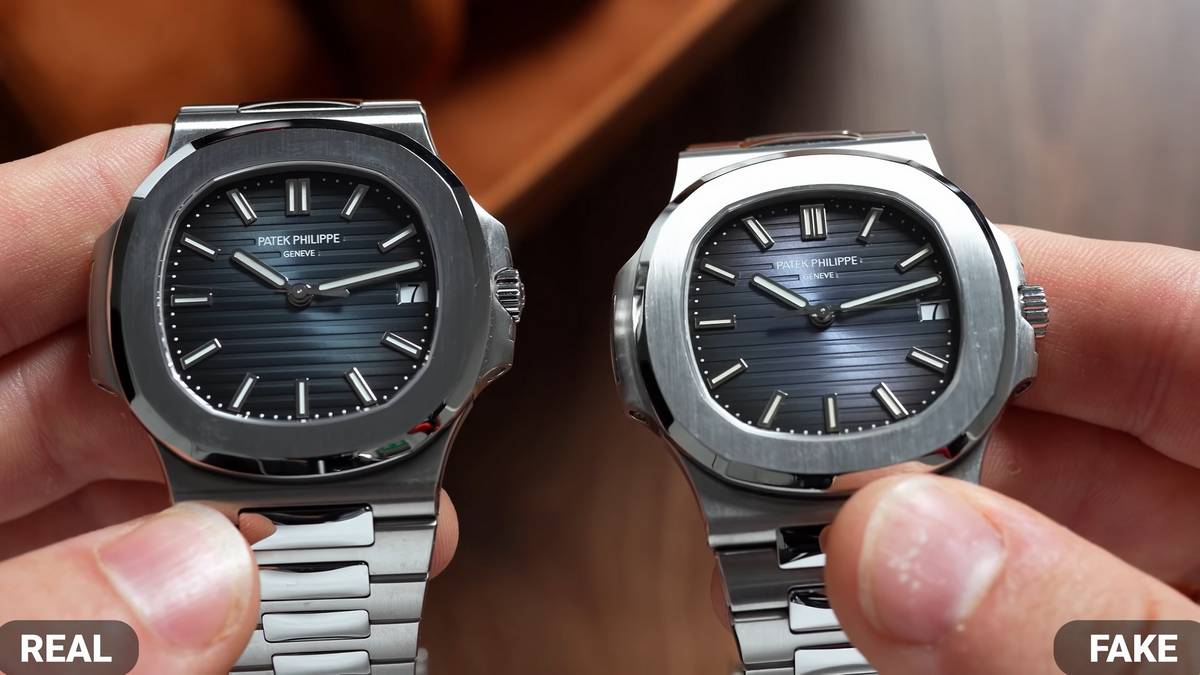
Tip: A true superclone should pass the “photo test” — photograph it at arm’s length and compare with press photos of the genuine piece. Dial color, hand proportions, and bezel shape should match exactly.
The sapphire crystal on a superclone is genuine lab-grown sapphire — the same material used in genuine watches. It rates 9 on the Mohs hardness scale (only diamond is harder). Budget fakes use mineral glass (Mohs 6-7) which scratches easily and shatters on hard impact. You can test by placing a drop of water on the crystal surface: sapphire’s hydrophobic coating makes the water bead into a tight dome; mineral glass lets it spread flat. See our iced out versions.
Case Finishing — Where Superclones Earn Their Name
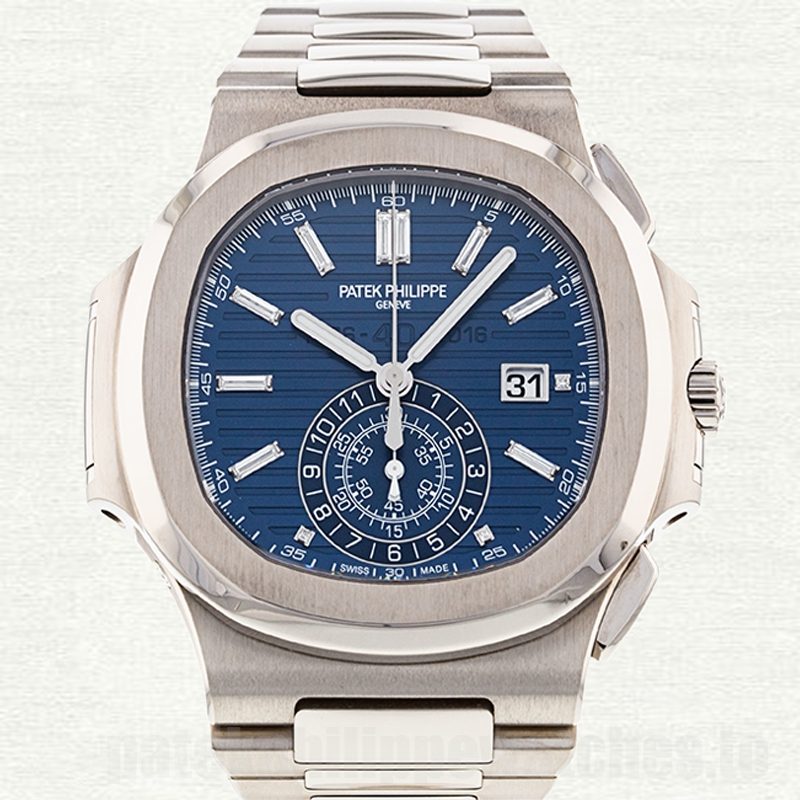
After CNC machining, a superclone case goes through 4-6 finishing passes: rough polishing, fine polishing, satin brushing (where needed), mirror polishing of selected surfaces, edge chamfering, and final inspection. A mid-range replica gets 2-3 passes. A low-end fake gets one — or none, relying entirely on the CNC surface finish.
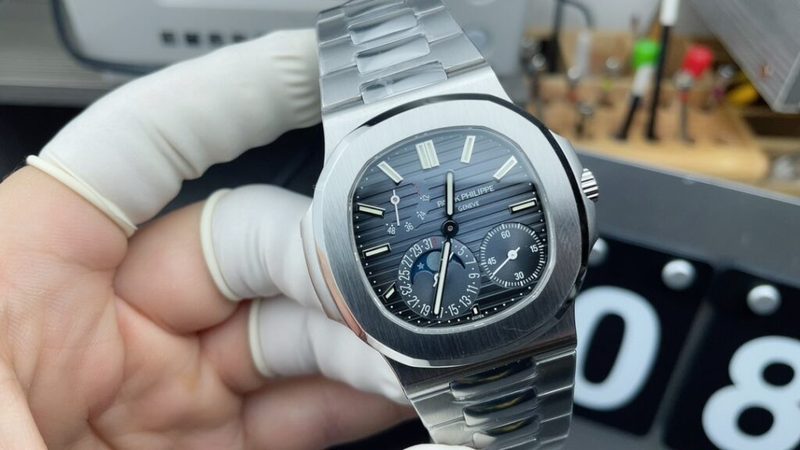
The transition between polished and brushed surfaces is the signature tell. On a genuine Patek (and the best superclones), this transition is a razor-sharp line — like a rule drawn across the case. On mid-range replicas, the line blurs over a 0.5-1mm zone. On low-end fakes, there may not be a transition at all — the entire case is uniformly polished or uniformly brushed.
The Nautilus “ears” are the ultimate test. These protruding flanks require satin brushing in a specific direction that follows the case contour. Superclone factories (ZF, 3K) invest significant finishing time here because collectors check this area first. The better the ear finishing, the higher the tier.
Movement Tiers in Patek Philippe Superclones
The movement defines the superclone. A Tier 1 PP superclone uses either a clone 324 SC / 26-330 SC (matching the genuine caliber’s dimensions and appearance) or a decorated Miyota 9015 (reliable Japanese movement with a Patek-style plate). A Tier 2 uses a stock Miyota or Asian ETA. Everything below that uses Chinese automatics or quartz — and disqualifies itself from the superclone category.
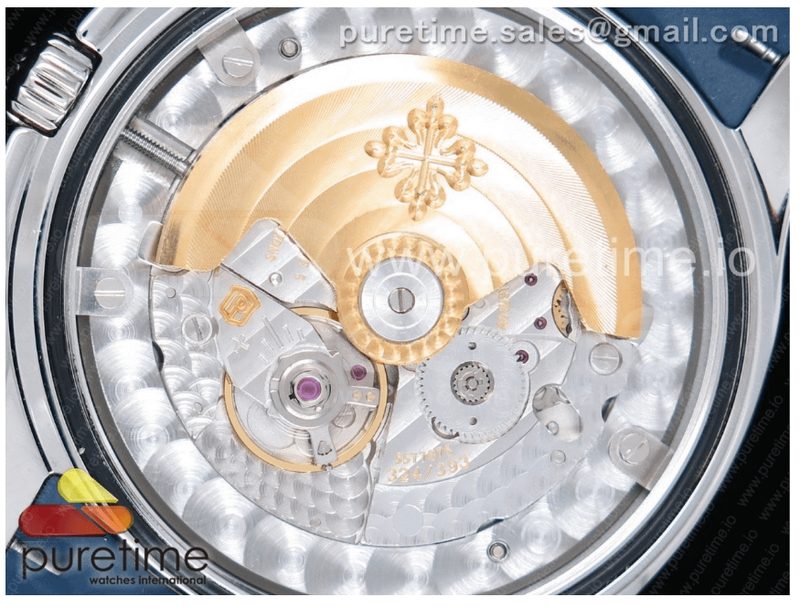
Insight: Superclone factories typically invest 6-12 months developing a single reference. They purchase genuine pieces, disassemble them, and reverse-engineer every component down to the gasket dimensions.
The clone movement matters especially for the Nautilus and Aquanaut because these watches have transparent casebacks. Every time you take the watch off, the movement is visible. A decorated Miyota passes from across a desk. A clone 324 SC passes under a loupe from a casual observer. Neither passes a watchmaker’s inspection — but the superclone gets you the closest possible visual match. Full movement comparison in the clone movement guide.
How to Identify a Genuine Superclone
Not every watch marketed as a “superclone” actually is one. Here are five checkpoints to verify the tier before you commit:
01
Weight matches genuine within 5g
02
Sapphire crystal beads water tightly
03
Sharp polish-satin transitions on case
04
Clone or Miyota movement (not DG2813)
05
Correct case dimensions (±0.3mm)
Tip: Ask the seller which factory made the watch and which movement is inside. Legitimate sellers of superclones will name the factory (ZF, 3K, PPF) and specify the movement. If they cannot answer these questions — or give vague responses — the watch is likely Tier 3 or below.
Who Should Buy a Superclone Patek watch
A superclone is not for everyone. If you want a watch that looks like a Patek from across a restaurant and you do not care about the caseback — a Tier 2 high-end replica serves that purpose well and costs less. The superclone premium makes sense in three scenarios:
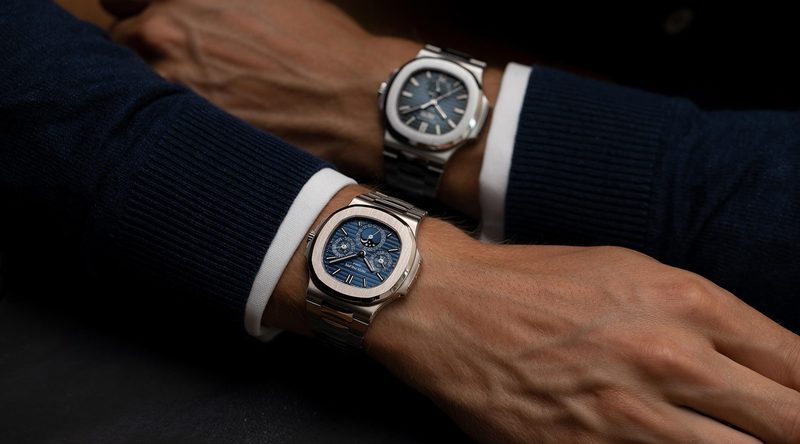
- You handle genuine watches regularly — you know what 316L feels like, you notice finishing details, you appreciate movement decoration. The superclone satisfies that trained eye.
- You wear short sleeves — the watch is visible often, at close range. A superclone’s finishing holds up to casual scrutiny from people sitting next to you.
- You flip the watch — you actually look at the caseback. The clone movement through the sapphire is the primary reason to pay the superclone premium.
Frequently Asked Questions
What makes a superclone different from a regular replica?
Materials, finishing, and movement. A superclone uses genuine-spec steel, lab-grown sapphire with AR coating, and either a clone movement or premium Japanese caliber. A regular replica may use inferior alloys, mineral glass, and budget Chinese movements.
Can a jeweler tell a superclone from a genuine Patek?
An experienced watchmaker will identify it, yes — primarily through the movement finishing, material hardness testing, and serial number verification. A general jeweler without Patek expertise may not catch a well-made superclone on visual inspection alone. See the fake vs real guide for specific checkpoints.
How long does a Patek superclone last?
With regular service (every 2-3 years for clone movements, 3-5 for Miyota), a superclone lasts 5-10 years of daily wear. The case and crystal will outlast the movement — steel and sapphire do not degrade. The movement may need replacement after 5-8 years depending on wear patterns.
Is 904L steel better than 316L for superclones?
904L has higher corrosion resistance and takes a slightly brighter polish. Rolex uses 904L exclusively; Patek Philippe uses 316L. For a Patek replica, 316L is actually the correct material — using 904L would be inaccurate to the genuine. Both are excellent for daily wear.
Which factories produce genuine superclones?
ZF Factory, 3K Factory, and the top-tier PPF models qualify as genuine superclones. BBF sits at the high end of Tier 2 — excellent value but the finishing is a step below. DDF is a new entrant with promising early results. Read the factory guide for detailed rankings.
Superclone Is a Standard, Not a Marketing Term
A true PP superclone represents the highest tier of replica watchmaking — genuine-spec materials, precision finishing, and movements that match the original’s dimensions. Not every replica marketed as a superclone meets this standard. Check the materials, ask about the factory, verify the movement type, and inspect the case finishing. When all four align, you are holding a superclone. When they do not — you have a replica.
Related: Best 7 Models Tested • Clone Movements • Fake vs Real • Factory Rankings • Buying Guide<