
Best Patek Philippe Replica Factories — 3K vs PPF vs ZF
Mar
Patek Philippe Replica Factory Guide: Who Makes What and Why It Matters
The Patek replica factory market has changed dramatically since I started tracking it over a decade ago. What was once a two-horse race between a couple of workshops has splintered into a competitive field of six or more serious operations, each with distinct strengths, proprietary movement development, and model-specific expertise. Choosing the wrong factory for the wrong reference is the single biggest mistake new buyers make.
I have personally handled watches from every factory discussed here. Not one example or two — dozens across multiple references and production batches. What follows is not secondhand forum wisdom. It is first-person assessment built on years of examination under loupes, on timing machines, and through daily wear.
Understanding which replica timepiece factory excels at which models saves you money, disappointment, and the frustration of returns. Let me walk through each operation.
01
ZF Factory: The Consistent Generalist
ZF (sometimes listed as “ZF Factory” or “ZiF”) is the broadest Patek Philippe producer in terms of reference coverage. They make Nautilus, Aquanaut, Calatrava, and several complications. Their strength is consistency — a ZF Nautilus from January performs nearly identically to one from August. Quality control is tight relative to the industry.
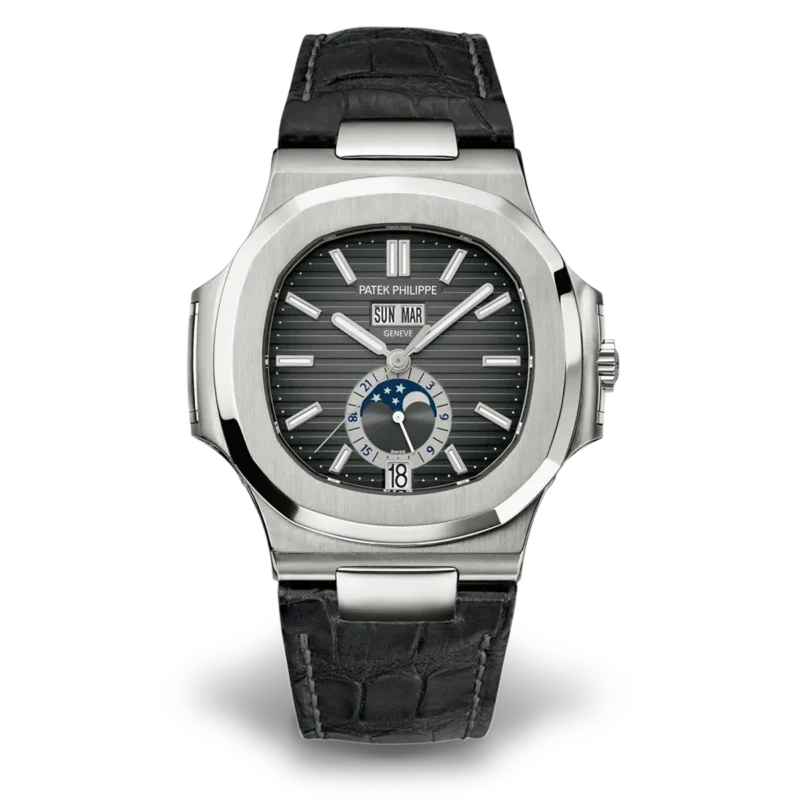
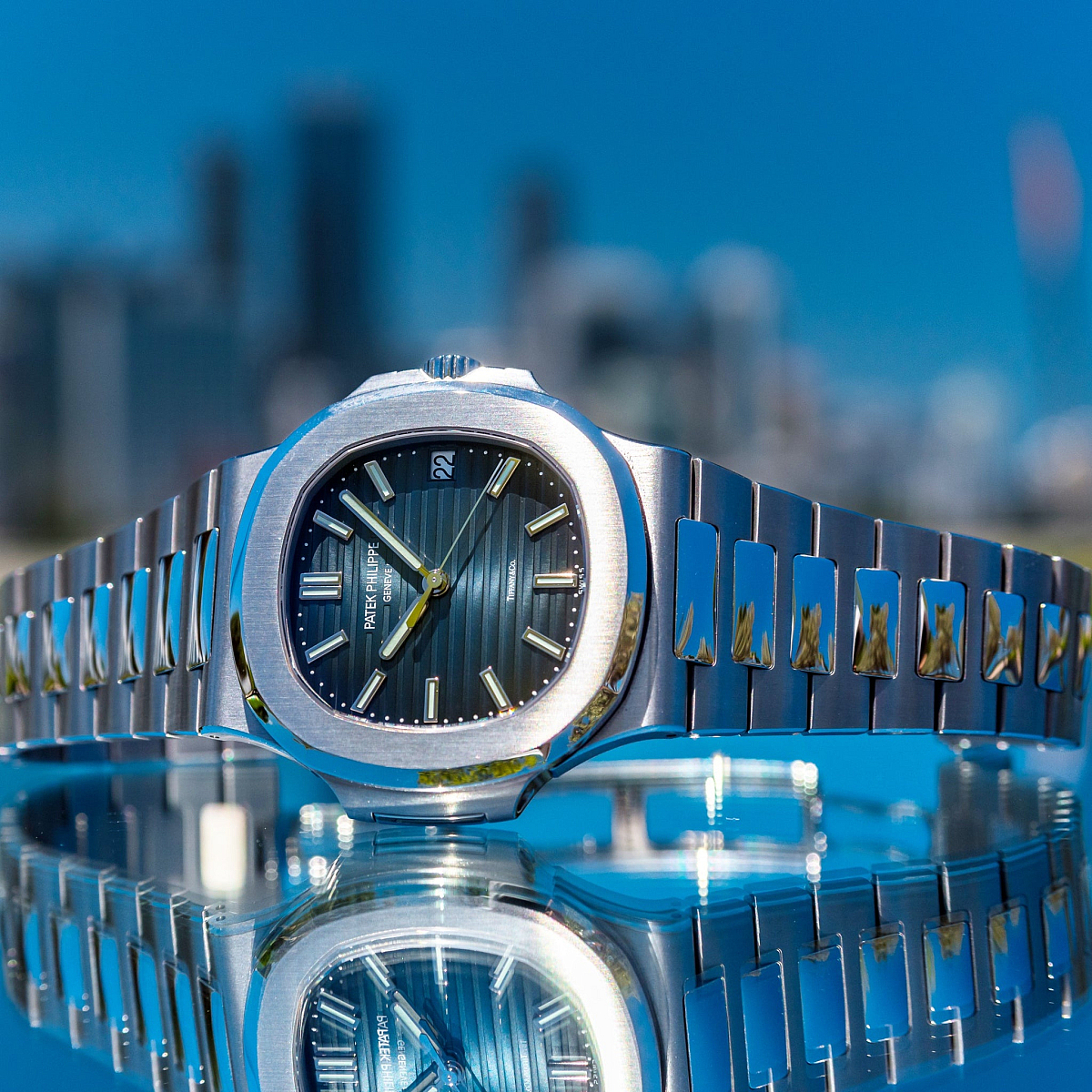
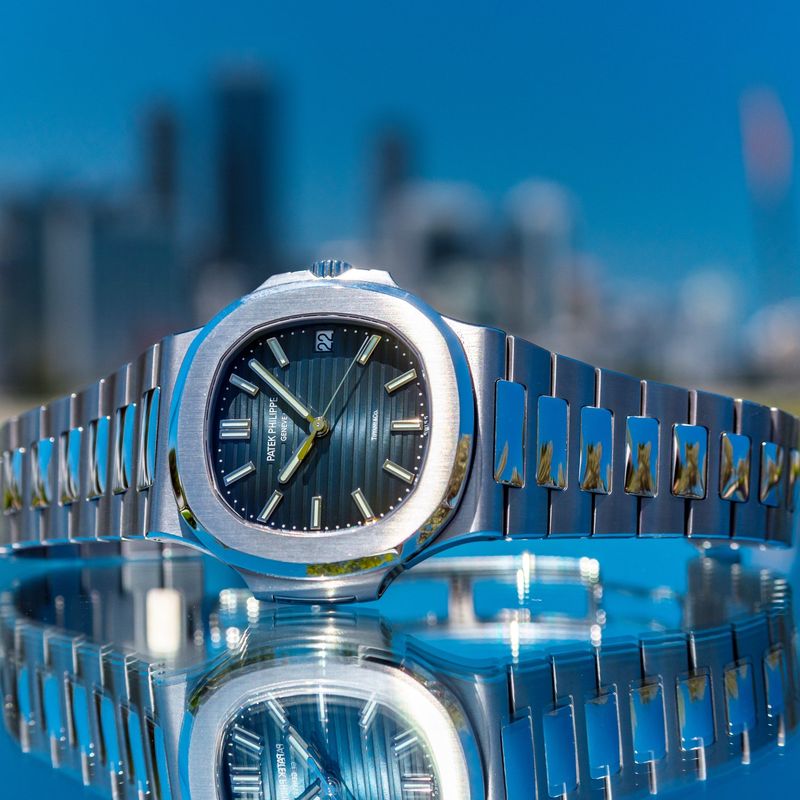
Their Nautilus 5711 has been a benchmark for years. The bracelet fitment is among the best available — minimal link play, correct taper, and brushed-to-polished transitions that hold up under magnification. Dial color accuracy sits at roughly 95% of genuine under natural light. The blue-black gradient is handled well, though factory lighting makes every dial look slightly different in photos.
ZF Strengths: Nautilus bracelet quality, consistent QC across batches, solid dial work, reliable decorated clone movements. Best all-rounder for buyers who want multiple Patek references from one factory.
ZF movements use modified base calibers with Patek-style decoration. The rotor engraving is clean, the Geneva stripes are acceptably parallel, and the screw heads show polishing. Not Geneva Seal level, obviously, but respectable through a caseback. Power reserve consistently hits 40+ hours on their automatics.
02
3K Factory: The Movement Specialist
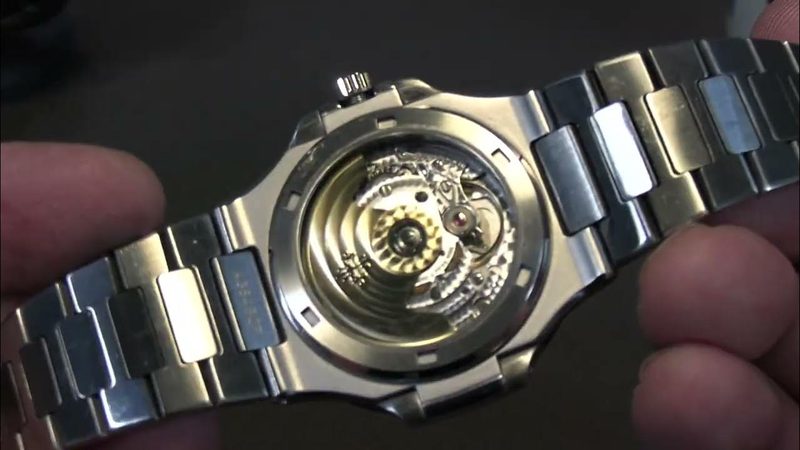
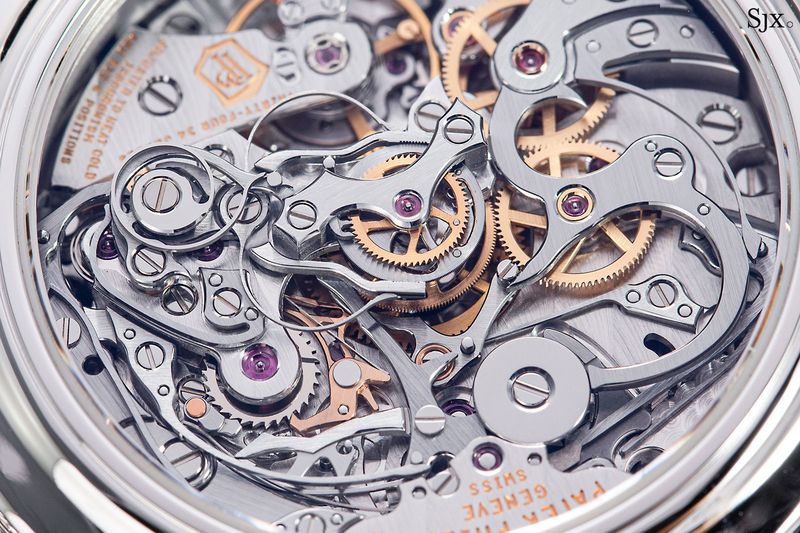
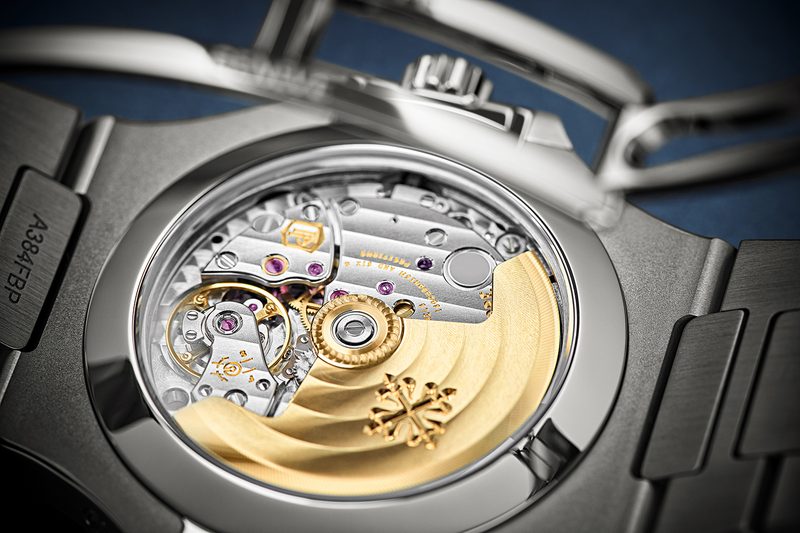
3K carved their reputation by developing clone movements that are visually indistinguishable from genuine Patek calibers through the caseback. While ZF decorates modified base movements, 3K builds purpose-designed clones of the Cal. 324 SC and Cal. 26-330 SC from the ground up. The result is a movement that looks correct from every angle — rotor shape, bridge layout, finishing pattern — all matching genuine references.
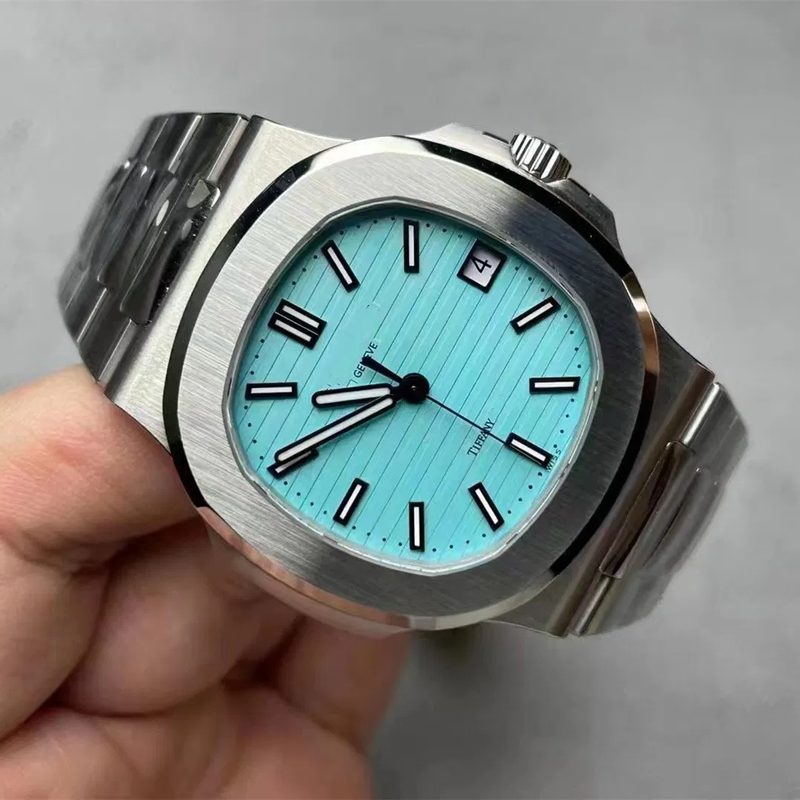
This matters enormously for the Nautilus and Aquanaut, which have display casebacks. Anyone who has seen a genuine Cal. 324 will immediately spot a decorated Asian movement. A 3K clone 324, examined casually, passes. Under a 10x loupe, differences emerge in finishing depth, but on the wrist during normal social interaction, the movement is convincing.
3K’s case and dial work is good but slightly behind ZF in consistency. Where 3K pulls ahead decisively is the caseback view. If transparent casebacks matter to you — and for Patek Philippe they absolutely should — 3K is the factory to choose. Their Patek copy factory output specifically prioritizes what you see through the crystal.
03
PPF: The Complications Expert
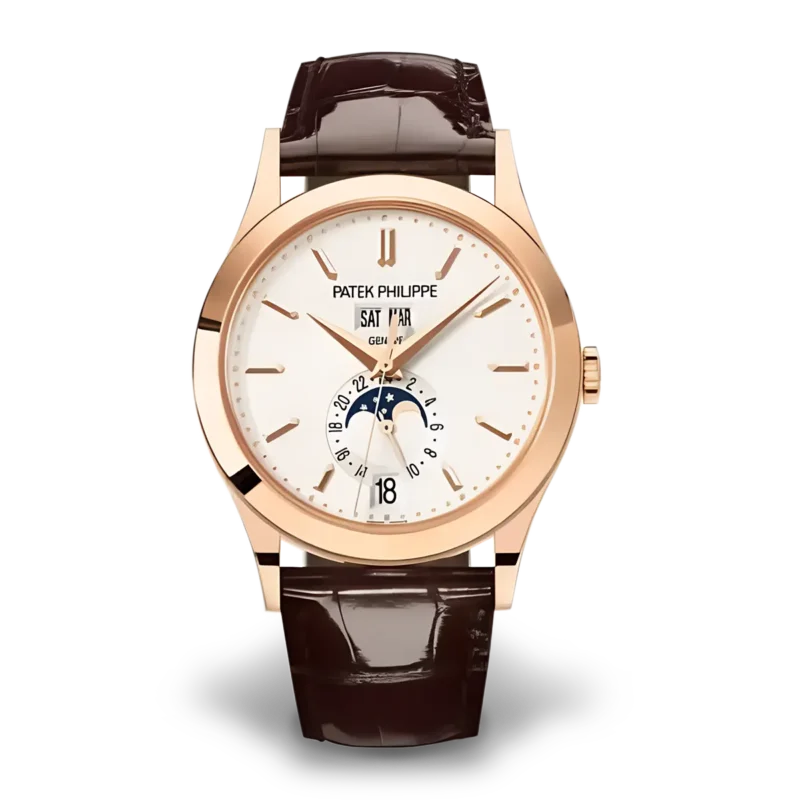
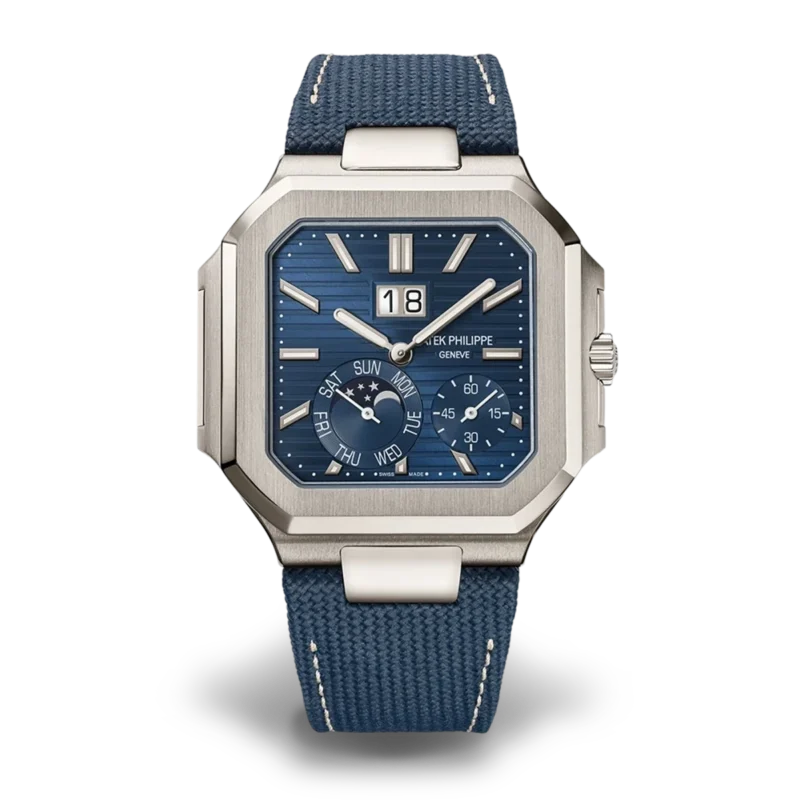
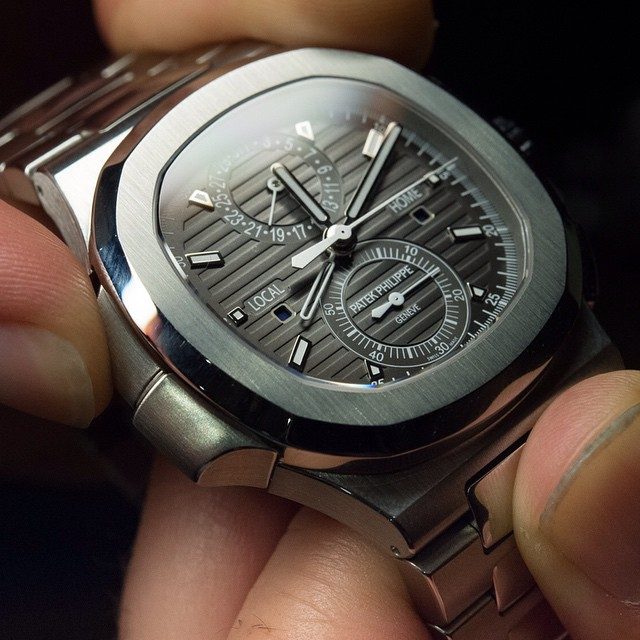
PPF focuses on Patek Philippe complications — annual calendars, moon phases, chronographs. Where ZF and 3K dominate the time-and-date sport watches, PPF has invested in replicating the complexity of references like the 5726 (annual calendar Nautilus) and the 5205 (annual calendar Calatrava).
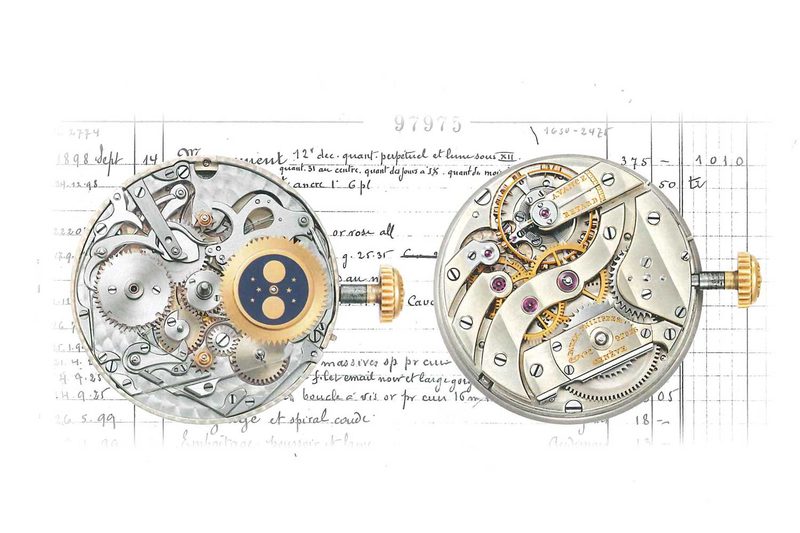
The annual calendar mechanism is genuinely impressive for a replica. Month, day, and date displays all advance correctly at midnight, and the moon phase tracks accurately over extended periods. The complication works. Not as smoothly as genuine Patek’s micro-engineering, but functionally correct and reliable over months of wear.
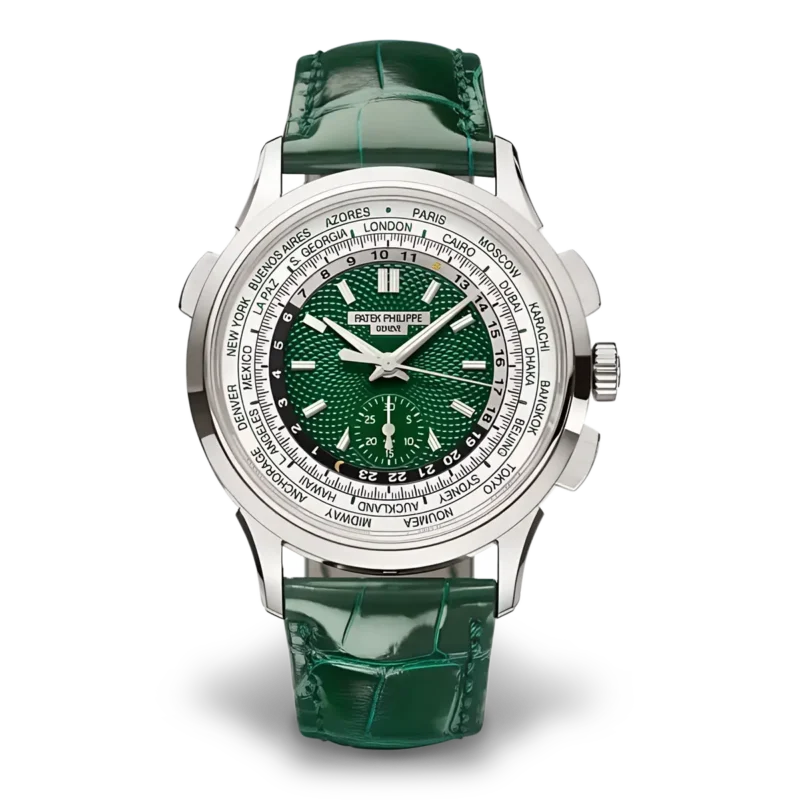
PPF’s standard time-and-date models (5711, 5167) are competent but not class-leading. If you want a basic Nautilus, ZF or 3K serve you better. If you want an annual calendar or world time Patek, PPF is your only serious option. They own the complications niche.
04
BBF: The Value Proposition
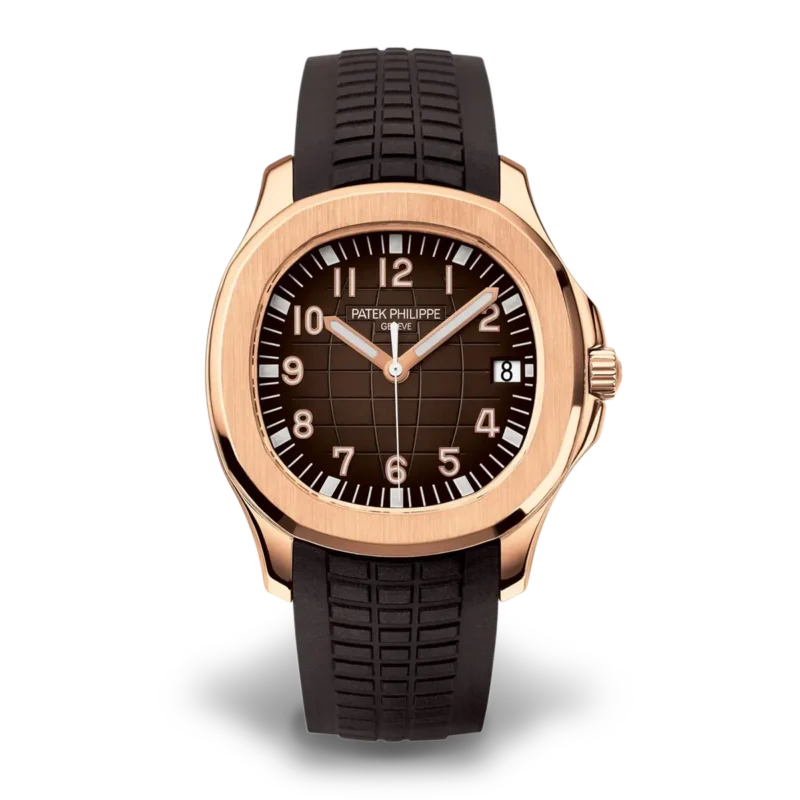
BBF entered the Patek Philippe space more recently and positioned itself below ZF and 3K in pricing while maintaining surprisingly competitive quality. Their Nautilus and Aquanaut models use simpler decorated movements (not full clones), but the case work and dial accuracy have improved significantly with each batch.
For buyers who want a solid Aquanaut or Nautilus without the premium charged by 3K for clone movements, BBF represents genuine value. The external appearance — case finishing, dial gradient, strap/bracelet quality — is within 90% of the top-tier factories at a meaningfully lower cost.
Value Tip: BBF makes sense if you (a) do not plan to show the caseback, or (b) want to own multiple references on a tighter budget. The external quality-to-cost ratio is among the best available for Patek replicas.
05
DDF: The Ambitious Newcomer
DDF burst onto the scene with their DD330 clone movement — a purpose-built replica of the Cal. 26-330 SC. While 3K’s clone 324 is mature and proven, DDF went straight for the newer caliber, betting that the 5811 and future Nautilus references would all use the 26-330 platform. Smart strategic thinking.
Early DD330 examples had teething issues: inconsistent amplitude and slightly rough date changes. The second and third generations have improved markedly. The rotor engraving quality now rivals 3K, and the bridge finishing shows good parallel striping. Reliability data is still accumulating — we need another 12-18 months of field data to confirm long-term durability.
DDF’s case and bracelet work is solid. Not best-in-class, but competitive with BBF and approaching ZF levels on their best days. The factory is worth watching. If the DD330 proves reliable over time, DDF could challenge the established hierarchy for 5811 and post-2022 Nautilus references.
06
APW and Other Smaller Operations
APW produces a limited range of Patek references, primarily the Nautilus and a few Calatrava models. Quality is adequate but inconsistent between batches. Some APW examples I have examined were genuinely impressive; others from the same month had noticeable dial alignment issues. The lack of quality control predictability makes them a gamble.
Several other small workshops produce PP homages, but none have achieved the consistency or reference coverage to merit detailed analysis here. The replica PP watch factory market consolidates around the top five names for good reason — tooling investment, movement development, and quality control require scale that smaller operations struggle to maintain.
07
Factory Comparison Table
Every major Patek Philippe reproduction factory rated across the metrics that actually matter:
08
How Factory Names Work
Factory names are not corporate brands in any traditional sense. They are codes used by dealers and collectors to identify the source workshop. “ZF” does not stand for anything publicly acknowledged — it is simply the identifier that stuck. “3K” similarly emerged as a community shorthand. These names are stable enough that they have been used consistently for years, and the quality associated with each name has been trackable over time.
Factories occasionally rebrand or merge. A workshop that produced under one name may shift operations and reappear under another. The key indicator is not the name but the production signatures — specific case finishing techniques, dial printing characteristics, and movement decoration patterns that experienced examiners recognize across batches. When a “new” factory appears, it takes months to determine whether it is genuinely new or a rebranding of an existing operation.
09
How to Verify Factory Origin
Verifying which factory produced a specific watch requires examining several telltale details. Each PP replica factory has production signatures that experienced handlers recognize:
- Caseback engravings: Each factory uses slightly different fonts and engraving depths for the Patek Philippe seal, serial numbers, and “Geneva” text
- Movement decoration: 3K’s clone movements have a distinctive rotor counterweight shape. ZF’s decorated movements show a specific bridge beveling angle
- Dial printing: The thickness and spacing of the “Patek Philippe” text varies by factory. Under 5x magnification, these differences become apparent
- Bracelet clasp: The fold-over mechanism and stamping quality differ. ZF’s clasps tend to be slightly tighter. 3K’s have a smoother deployment action
- Packaging: Each factory includes different style QC cards and packaging. This is the least reliable indicator, as packaging can be mixed
The most reliable verification is the movement view through the caseback. A genuine clone 324 from 3K is unmistakable once you have seen a few. A decorated base movement from ZF or BBF looks fundamentally different in bridge layout. For superclone quality, always request QC photos that include a caseback shot before purchasing.
10
My Recommendations by Reference
Frequently Asked Questions
Does the factory name guarantee consistent quality?
Generally yes, but not perfectly. Top factories like ZF and 3K have strong QC processes, but occasional batches slip through below standard. Always request QC photos before purchasing, and buy from trusted dealers who will exchange watches with visible defects.
What is a clone movement vs a decorated movement?
A clone movement replicates the original caliber’s architecture — same bridge layout, rotor design, and visual appearance. A decorated movement uses a standard base caliber (often Miyota or Hangzhou) with cosmetic modifications to resemble the genuine movement. Clone movements are more expensive but look correct through the caseback.
Can a watchmaker service a Patek replica factory movement?
Yes. Clone movements from 3K and DDF use standard Swiss-type components that any competent watchmaker can service. Decorated base movements (ZF, BBF) are even easier to maintain since they use widely available Miyota or Seagull parts. Budget for a service every 3-4 years, same as genuine.
Do factories produce limited runs of specific references?
Yes. Factories often produce in batches rather than continuously. A specific reference might be available for 2-3 months, then disappear while the factory retools for other models. Popular references like the 5711 blue are produced more frequently than niche models like the 5196 Calatrava.
How long do replica movements typically last?
Top-tier clone movements (3K, ZF) routinely run 5-8 years before needing service, assuming normal wear. Decorated base movements can last even longer since Miyota automatics are famously durable. The key is avoiding magnetic fields and impacts — the same care genuine watches require. A quality replica with regular maintenance can last decades.
Explore Further
Best Patek Replicas
Nautilus Guide
Aquanaut Guide
Superclone Explained