


Are Replica Watches Legal? Laws by Country Explained

Mar
Are Replica Watches Legal? A Country-by-Country Breakdown from Someone Who Knows
Legal Guide • 9 Sections • Updated 2026
The Short Answer — Is It Legal?
People ask “is it legal to buy replica watches” constantly — here is the short version: in most countries, buying a replica watch for personal use is not a criminal offense. You will not go to jail for wearing one. You will not get a knock on the door from law enforcement because a replica sits in your drawer. The legal risk sits almost entirely on the supply side — manufacturers, distributors, and sellers who profit from trademark infringement at scale.
That said, “not criminal” does not mean “completely without consequence.” Customs agencies in every major country have the authority to seize counterfeit goods at the border. If your package gets opened and inspected — and it contains a watch bearing a trademarked logo that was not made by the trademark holder — customs can confiscate it. They usually do. That is the real risk, and understanding it requires knowing the specific import regulations in your country.
The distinction that matters most is personal use versus commercial intent. One watch shipped to a residential address looks like personal use. Fifty watches shipped to a warehouse looks like a business. Every customs agency on the planet draws that line differently, and the consequences on each side of it are wildly different. We will cover all of this below.
Important Note: This article is based on publicly available legal information and thirty years of firsthand observation. It is not legal advice. Laws change. Enforcement intensity fluctuates. If you are facing a specific legal situation involving replica goods, consult a lawyer in your jurisdiction. What I can do is explain the market as it stands today, based on what I have actually seen happen — not what internet forums imagine might happen.
United States Laws — The Trademark Act, US CBP, and Personal Use
The United States is where most of the confusion lives, so let me be precise. Federal law — specifically the Lanham Act (Trademark Act of 1946) and 18 U.S.C. 2320 (Trafficking in Counterfeit Goods) — makes it illegal to manufacture, sell, or distribute counterfeit goods. The criminal penalties are severe: up to 10 years in prison and $2 million in fines for a first offense involving trafficking.
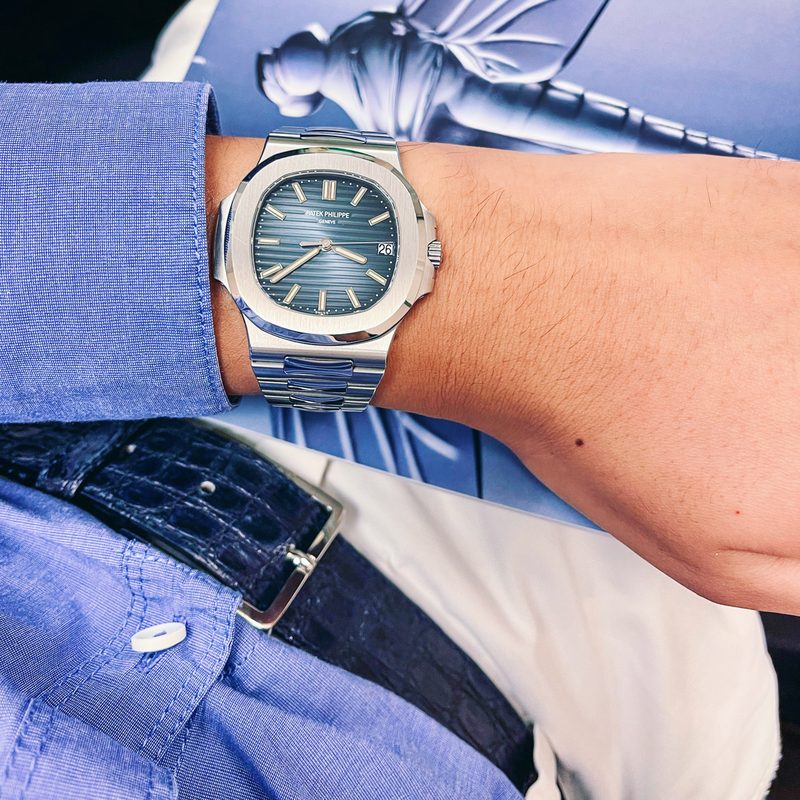
Tip: If traveling internationally with a replica watch, keep it on your wrist and remove any branded packaging. Customs officers target parcels and boxes with brand logos, not personal accessories being worn.
But here is what the forums never mention: purchasing a counterfeit item for personal use is not a federal crime. The law targets sellers and distributors, not individual buyers. No one in the United States has been prosecuted for buying a single replica watch for personal wear. The legal framework simply was not designed for that scenario.
Where the US government does act is at the border. US Customs and Border Protection (US CBP) has the legal authority to seize counterfeit goods entering the country. Under 19 CFR 133.21, CBP officers can detain and seize merchandise bearing counterfeit trademarks. For personal-use quantities, the typical outcome is straightforward — the item gets seized, you receive a notice letter, and that is the end of it. No fine. No prosecution. No record.
There is a specific personal exemption worth knowing about. CBP allows travelers to bring in one item bearing a counterfeit trademark per person, per trip, as long as it is for personal use and not for sale. This applies to items physically carried across the border — not shipped goods. The exemption covers watches, bags, clothing. One per type. Carried on your person or in your luggage.
Real Scenario: A friend flew back from Bangkok in 2023 wearing a replica on his wrist. Customs asked about it during secondary inspection. He said it was a gift for himself. They let him keep it. No form. No customs seizure. No issue. That is the personal use exception in action. Now, had he been carrying a bag of twelve watches, the conversation would have gone very differently.
For shipped goods, the calculus changes. CBP inspects a fraction of incoming packages — estimates range from 3% to 6% of parcels. If your package is selected for inspection and contains a replica watch, CBP will seize it and send you a “Notice of Seizure” letter. You have the option to file a petition for remission, but most people simply accept the loss and move on. The watch is destroyed. That is it. Your name goes into a database, but a single customs seizure does not trigger prosecution or fines for the recipient.
Multiple seizures to the same address, however, start to look like commercial activity. If CBP flags the same name and address receiving counterfeit goods repeatedly, they can refer the case to Immigration and Customs Enforcement (ICE) for investigation. This is rare for small quantities but not unheard of. Three or four seizures in a year raises flags that are hard to explain away as personal use.
United Kingdom and EU Laws — Replica Watch Regulations Across Europe
The UK and EU treat replica watches differently from the United States, and the differences matter. In the European Union, Regulation (EU) No 608/2013 gives EU customs authorities the power to detain and destroy goods suspected of infringing intellectual property rights — including trademark-infringing watches. Unlike the US, there is no explicit personal use exemption written into EU customs law for counterfeit goods.
In practice, enforcement varies dramatically by country. Germany and France are the strictest — German customs (Zoll) actively screens inbound parcels and has the highest seizure rate in Europe. If you order a replica watch shipped to Germany, the probability of customs interception is significantly higher than anywhere else in the EU. France follows closely, partly because LVMH and other luxury groups lobby aggressively for enforcement.
Italy presents an interesting case. Italian law makes it an offense for the buyer to knowingly purchase counterfeit goods. Fines can technically reach up to 7,000 euros. This is unique in Europe — most other countries only penalize sellers. The law is rarely enforced against tourists, but it exists and has been applied in cases involving street purchases in major Italian cities. Rome, Milan, Florence — local police have issued fines to buyers at street markets.
The United Kingdom, post-Brexit, operates under its own framework. The Trade Marks Act 1994 and the Customs and Excise Management Act 1979 give UK Border Force the authority to seize counterfeit goods. Like the US, the focus is on commercial quantities. A single watch in a parcel is generally treated as personal use. UK Border Force will seize the item and send a letter — but prosecution of individual buyers is extremely uncommon. The UK has historically been more lenient than Germany or France in enforcement intensity.
Spain, Portugal, Netherlands, and the Nordic countries fall somewhere in the middle. Customs agencies have the authority to seize, and they do — but screening rates for small parcels vary. The Netherlands, as a major logistics hub (with ports in Rotterdam and distribution centers for much of Europe), has solid customs infrastructure. Many packages entering Europe route through Dutch or Belgian hubs, adding an inspection layer regardless of the final destination country.
Canada, Australia, and Asia — How Replica Watch Laws Differ Worldwide
Canada operates under the Trade-marks Act and the Customs Tariff. The Canadian Border Services Agency (CBSA) can seize counterfeit goods at the border. The Copyright Act amendments of 2015 strengthened these powers considerably. For personal-use quantities, the typical outcome mirrors the US — seizure and a notification letter. Criminal prosecution for individual buyers is not standard practice. Canada is generally considered moderate in enforcement compared to the EU.
Insight: Personal possession of a replica watch is legal in most countries, including the EU and US. The legal boundary is crossed only when you attempt to sell it as genuine or import it commercially.
Australia enforces through the Australian Border Force under the Trade Marks Act 1995. Until 2018, Australia had relatively weak border enforcement for IP-infringing goods in small quantities. That changed with amendments that gave customs broader authority. Today, Australian Border Force can seize and destroy counterfeit goods without needing a court order for small shipments. The practical seizure rate remains lower than Europe but higher than it was five years ago.
Japan has some of the strictest replica watch laws in the world. Japanese Customs Law and the Unfair Competition Prevention Act make it illegal to import counterfeit goods for any purpose, including personal use. Fines can reach 10 million yen (roughly $67,000 USD), and imprisonment of up to 10 years is technically possible. Japan screens incoming parcels aggressively and has one of the highest seizure rates globally. If you live in Japan, the risk calculus is fundamentally different from the US or UK.
Singapore and Hong Kong both have strong trademark protection laws. Singapore’s Trade Marks Act includes provisions against possession of counterfeit goods — not just sale. Hong Kong, despite its proximity to manufacturing centers, enforces trademark law rigorously through its Customs and Excise Department. Both cities maintain high seizure rates.
Thailand, Vietnam, and the Philippines are production and transit hubs. Local enforcement against buyers is minimal. These countries focus anti-counterfeiting efforts on manufacturers and large-scale distributors rather than individual purchasers. If you are buying a watch while physically present in Bangkok or Saigon, the legal risk to you as a buyer is near zero domestically. The risk surfaces when you try to bring it home through your own country’s customs.
What Actually Happens at Customs — Real Scenarios, Not Forum Myths
I have spoken with dozens of collectors over the years who have had packages inspected by customs. Here is what actually happens — not what Reddit imagines, but what real people have experienced when dealing with customs firsthand.
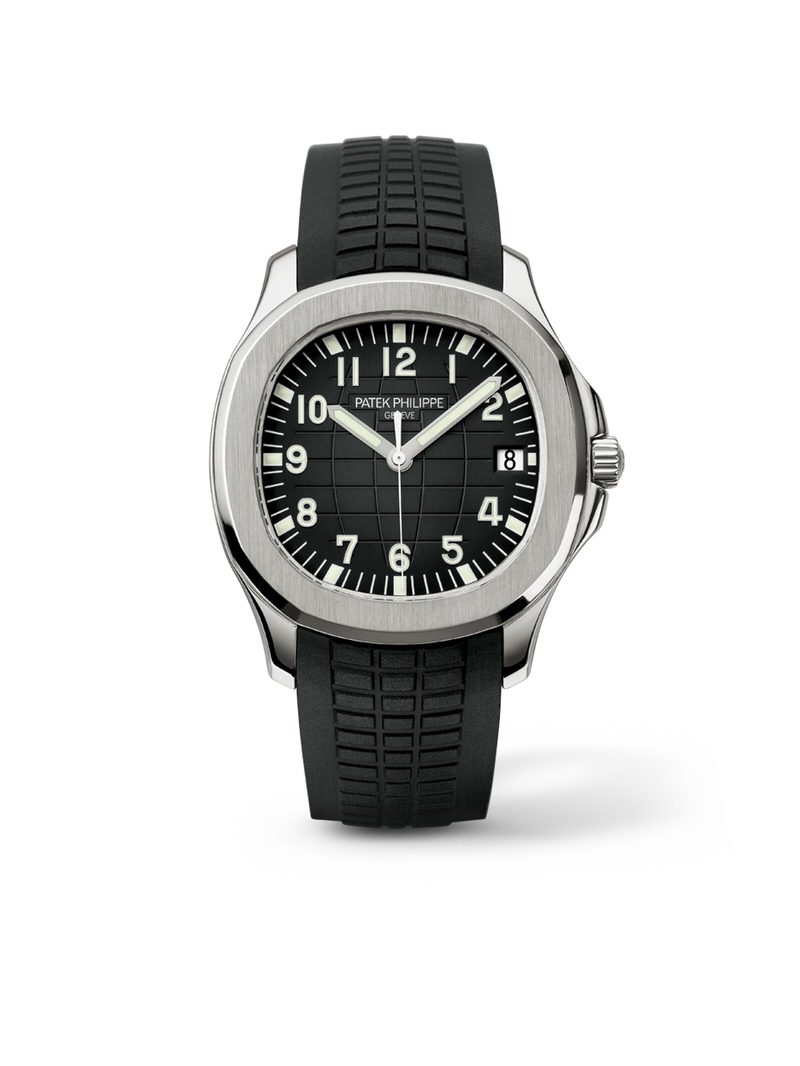
Scenario A — Package passes through customs unopened. This is the most common outcome by a wide margin. The vast majority of small parcels enter every country without physical inspection. Customs agencies use risk algorithms, X-ray scanning, and origin-country flagging to decide which packages to open. A single watch-sized box from a consumer shipping address is low priority compared to pallets of commercial cargo. Most collectors who have ordered replica watches will tell you the same thing: the package arrived, customs sticker on the outside, contents untouched.
Scenario B — Package is opened and seized. You receive a letter from customs. In the US, it comes from CBP on official letterhead. It states that your package was detained because it contained goods suspected of infringing a registered trademark. You have options: you can contest the seizure (almost never worth it for a single watch), you can request the item be exported back to the sender (rarely practical), or you can do nothing. Most people do nothing. The watch is destroyed after a holding period. You lose the item. That is the full extent of the consequence.
Scenario C — Customs contacts you directly. This is rare and typically only happens with larger shipments or repeat seizures to the same address. A customs officer may call or send a detailed questionnaire asking about the shipment. They want to determine if you are importing for commercial purposes. If you can demonstrate personal use — single item, residential address, no prior history — the outcome is still just seizure. If they suspect commercial intent, they may refer the case upward for investigation.
What Nobody Tells You: The brand owner gets notified when customs seizes a counterfeit item bearing their trademark. Rolex, Patek Philippe, Omega — they all have legal teams that register their trademarks with customs agencies worldwide. When a seizure happens, the brand receives a notice and can choose to pursue legal action against the importer. For personal-use single items, brands virtually never pursue individual buyers. It costs them more in legal fees than they could recover. The seizure itself serves their purpose — the item is destroyed.
Scenario D — You are carrying the watch through airport customs. Wearing a replica through an airport is a different situation from shipping one. When you walk through the “Nothing to Declare” lane, you are making a legal declaration that you are not carrying goods that require declaration. A single watch on your wrist for personal use generally does not require declaration in most countries. If a customs officer asks about it during a random check, honesty is the best approach. “I bought it as a souvenir” or “it is a replica for personal use” is straightforward. Trying to claim it is genuine could create legal complications around fraud or making false statements to a federal officer.
Personal Use vs Commercial Intent — The Key Legal Distinction
This is where the question “is it legal to buy replica watches” gets its real answer. Every legal system in the world draws a line between personal use and commercial activity. On one side of that line, you face minimal consequences — at worst, the item gets confiscated. On the other side, you face criminal charges, substantial fines, and potential imprisonment.
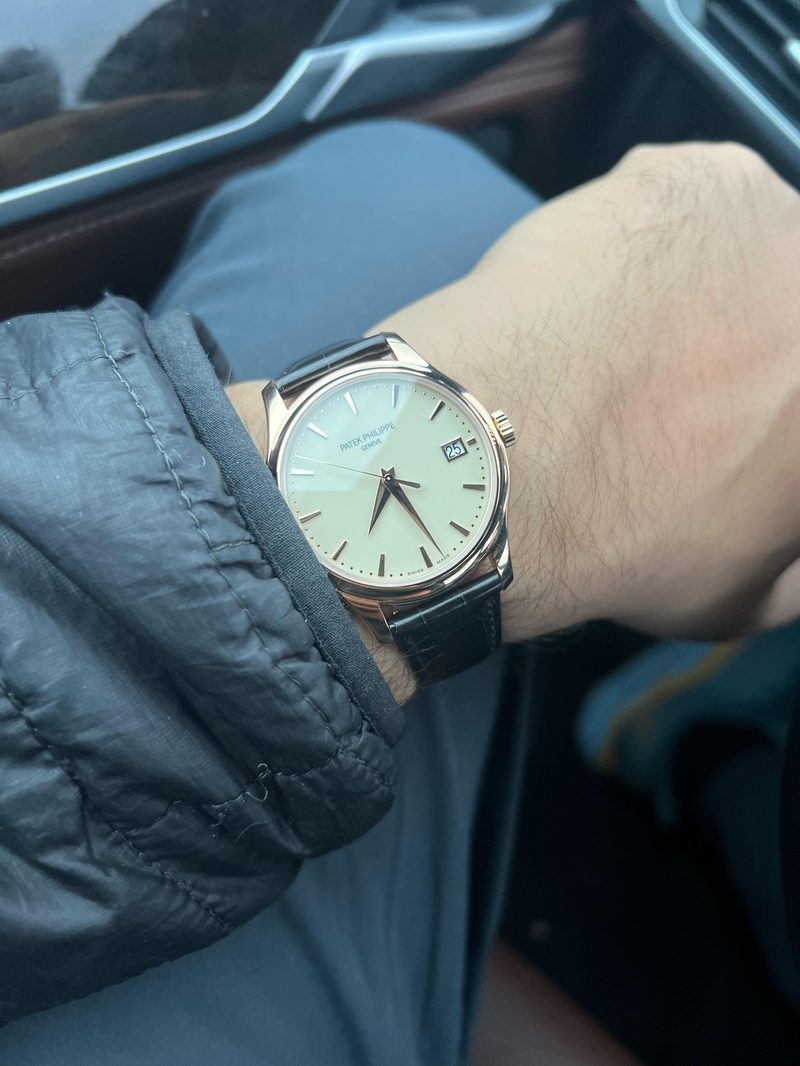
Customs agencies use several indicators to determine which side of the line a shipment falls on:
Personal Use Indicators
- Single item in the shipment
- Shipped to a residential address
- No prior seizures on record
- Item appears used or worn
- Consumer-grade packaging
- Declared value seems reasonable
- No accompanying invoices for bulk orders
Commercial Intent Indicators
- Multiple identical or similar items
- Shipped to a business address
- Prior seizure history at same address
- Items individually wrapped for resale
- Commercial invoices or price lists included
- Declared as “samples” or “gifts” (red flag)
- Shipped via commercial freight
The consequences on each side of this line could not be more different. Here is a clear comparison of what happens depending on how customs classifies your shipment.
The takeaway is clear. Whether replica watches legal status works in your favor depends almost entirely on whether the activity looks personal or commercial. One watch for your wrist sits in one category. A box of watches for resale sits in a completely different one. The law is not ambiguous about this — the gray area is small, and it shrinks to nearly nothing once quantity enters the picture.
How to Minimize Risk — Practical Advice from Three Decades of Observation
I am not here to tell you what to do. But after thirty years of observing this space, I can tell you what experienced buyers do — and do not do — to minimize their exposure to customs seizure and legal complications. These observations apply broadly across the US, UK, Canada, and Australia.
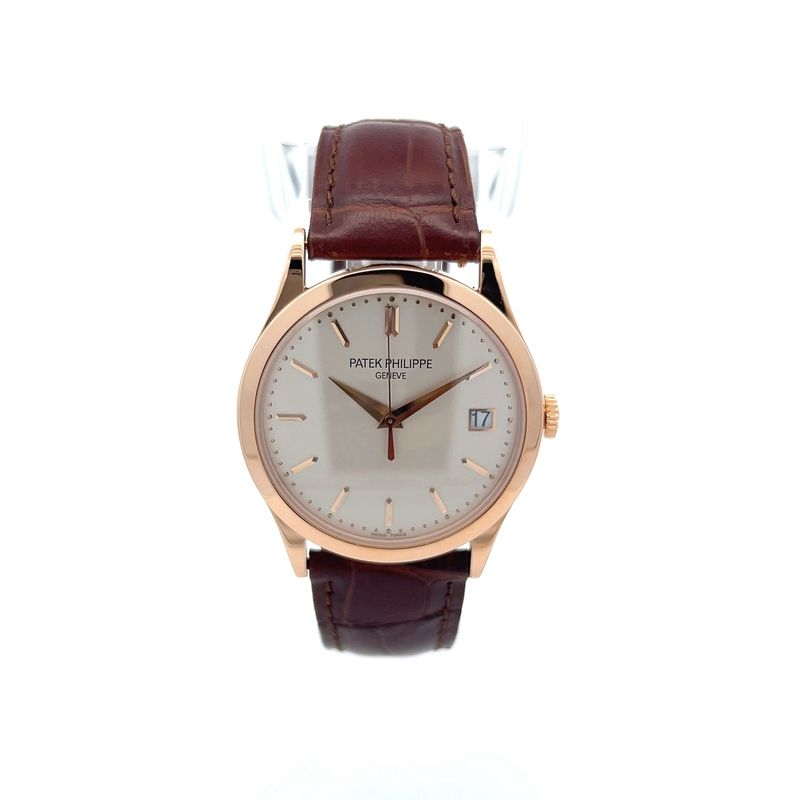
1. Buy one at a time. A single watch in a parcel is universally treated as personal use. Even if customs opens the package, the outcome for a single item is seizure — not prosecution. Ordering multiple watches in one shipment increases risk exponentially. Not linearly. Exponentially. Three watches in a box does not carry three times the risk of one watch — it carries ten times the risk because it triggers commercial-intent suspicion.
2. Use your real name and residential address. Some buyers use fake names or business addresses thinking it provides anonymity. It does the opposite. A package addressed to “John Smith” at a residential address looks like a consumer purchase. A package addressed to “J. Trading LLC” at a commercial address looks like a business import. Customs algorithms flag the latter far more readily.
3. Understand your country’s specific risks. As we covered above, Germany, France, Italy, Japan, and Singapore are high-enforcement environments. The US, UK, Canada, and Australia are moderate. Southeast Asian countries are low. Factor this into your decision-making. If you live in Munich, your risk profile is fundamentally different from someone in Toronto.
4. Accept the possibility of seizure as a cost of the hobby. Experienced collectors treat a customs seizure the way a fisherman treats a lost lure — it happens, you move on. If the financial loss of a single seized item would cause real hardship, that is worth considering before ordering.
5. Never resell replicas as genuine. This transforms a personal-use situation into fraud. Selling a replica watch as a genuine article is criminal in every jurisdiction on the planet. It is not a gray area. It is not a matter of interpretation. It is fraud, and prosecutors pursue it aggressively. If you decide to sell a replica, it must be disclosed as a replica. Even then, selling replicas commercially brings trademark law into play.
If you are considering a patek philippe replica purchase, understanding these legal realities is part of making an informed decision. The same applies to understanding whether replica Patek Philippe watches are worth it from a quality and satisfaction standpoint. Both questions deserve honest, grounded answers.
Trademark Law — Why Brands Fight Replicas and What It Means for You
To understand the legal market around replicas fully, you need to understand why these laws exist. Trademark law protects brand owners from unauthorized use of their name, logo, and distinctive design elements. When Patek Philippe registers the Calatrava Cross, the Nautilus silhouette, or the name “Patek Philippe” as trademarks — they gain the legal right to prevent others from using those marks on products they did not manufacture.
A replica watch that bears a luxury brand’s name and logo infringes on those trademarks. This is a straightforward legal fact, not a moral judgment. The infringement occurs at the point of manufacture and sale — the factory that puts a brand name on a dial without authorization is the primary infringer. The seller who distributes it is a secondary infringer. The buyer, in most jurisdictions, is not considered an infringer at all under trademark law. See our superclone quality guide.
Brands invest heavily in anti-counterfeiting because trademark dilution is a real business concern. If counterfeit goods flood the market, the trademark loses its association with quality and exclusivity. That is the legal theory behind aggressive enforcement. In practice, most luxury brands acknowledge privately that replica buyers and genuine buyers are largely different markets — a person buying a replica was unlikely to buy the genuine article anyway. But the legal framework does not make that distinction, and brands enforce their trademarks to maintain them. Under trademark law, if you do not actively enforce your trademark, you risk losing it entirely.
One development worth tracking: several major brands have started using blockchain and NFC chips for authentication. Patek Philippe introduced digital certificates in 2024. This technology does not change the legal status of replicas, but it does make it harder for anyone to pass a replica as genuine — which, arguably, should reduce the brands’ concerns about consumer confusion. That was the original justification for trademark protection in the first place. Read our fake vs real comparison.
Worth Knowing: The World Customs Organization (WCO) reported that watches and jewelry accounted for approximately 13% of all counterfeit goods seized globally in 2024. Watches are among the most commonly seized IP-infringing items at borders worldwide, second only to electronics and apparel. This means customs officers are specifically trained to look for fake watches — they know the brands, they know the common shipping patterns, and they have reference materials to identify counterfeits. A watch-sized parcel from certain origin countries will always receive more scrutiny than, say, a book or a piece of clothing.
Frequently Asked Questions — Are Replica Watches Legal?
Can I go to jail for buying a replica watch?
In the United States, United Kingdom, Canada, and Australia — no. Buying a single replica watch for personal use is not a criminal offense in these countries. You will not face prosecution. The worst outcome is customs seizure of the item. Japan and Singapore are exceptions — both countries have laws that criminalize importing counterfeit goods for any purpose, including personal use. Italy can impose administrative fines on buyers. For the vast majority of buyers in Western countries, jail is not a realistic concern for personal purchases.
What happens if customs seizes my replica watch?
You receive a notification letter from your country’s customs agency. The letter states that your item was detained for suspected trademark infringement. You typically have 30 days to respond — you can contest the seizure, request the item be returned to the sender, or take no action. Most people take no action. After the response period, the item is destroyed. You do not receive a fine, criminal charge, or court summons for a first-time personal-use seizure. Your name may be noted in customs databases, which could increase scrutiny on future shipments to your address.
Is it legal to wear a replica watch in public?
Yes. No country in the world has a law against wearing a replica watch on your wrist in public. Trademark law applies to manufacturing, selling, and importing — not wearing. You could walk past a police station wearing a replica Nautilus and face zero legal consequence. The only scenario where wearing one could create issues is if you attempt to use it as part of a fraud — for example, showing it as “proof” of wealth during a financial transaction. That crosses into fraud territory, and it is the deception that is illegal, not the watch itself.
Can I bring a replica watch through airport security?
Airport security (TSA in the US, equivalent agencies elsewhere) does not screen for counterfeit goods. Their job is threat detection — weapons, explosives, prohibited items. A watch is not a prohibited item regardless of who made it. The risk point is customs, not security. Customs inspections happen at the arrivals hall (international flights) or at mail processing centers (shipped goods). If you are wearing a single replica watch and passing through customs as a traveler, the US specifically allows one counterfeit item per person for personal use. Most other countries apply similar practical tolerance for single items on travelers, though the written law varies by jurisdiction.
Is selling replica watches online a crime?
Yes — in virtually every country. Selling replica watches commercially violates trademark law and can result in criminal prosecution. In the US, trafficking in counterfeit goods carries up to 10 years imprisonment and $2 million in fines for a first offense. Online platforms (eBay, Amazon, Facebook Marketplace) actively remove listings for counterfeit goods and ban sellers. Even selling on lesser-known platforms does not provide immunity — law enforcement monitors online counterfeit sales and has shut down numerous operations. The legal distinction is clear: buying one for yourself is personal use; selling them is commercial trademark infringement.
Are “homage” watches different from replicas legally?
Yes, and the distinction matters. An “homage” watch copies the design aesthetic of a luxury watch but uses its own brand name and logo. A Pagani Design that looks like a Submariner but says “Pagani Design” on the dial — that is an homage. It does not infringe trademarks because it does not use the original brand’s marks. A replica, by contrast, bears the original brand’s name, logo, and markings. The legal issue with replicas is the trademark infringement — the unauthorized use of protected marks. Homage watches are legal to manufacture, sell, buy, and import in all countries because they do not infringe trademarks. Design patents can sometimes apply, but they are much harder to enforce and usually expire within 15-25 years.
Do replica watch laws differ by brand?
The laws themselves do not — trademark law applies equally to all brands. But enforcement intensity varies. Rolex is the most aggressive enforcer in the watch industry, with dedicated anti-counterfeiting teams and partnerships with customs agencies worldwide. Patek Philippe, Omega, and Audemars Piguet also enforce actively but with smaller teams. Lesser-known brands may not have registered their trademarks with customs agencies in every country, which means customs may not flag their counterfeits as readily. In practice, a Rolex-branded replica is more likely to be recognized and seized at customs than a replica of a more niche brand — simply because customs officers are trained to spot the crown logo.
The Key Takeaway — Are Replica Watches Legal to Own?
Are replica watches legal to own? In most of the world — yes. Are they legal to sell commercially? No, nowhere. The entire legal framework around replica watches revolves around one axis: personal use versus commercial activity. As a buyer purchasing a single watch for your own enjoyment, you sit on the low-risk side of that axis in the United States, United Kingdom, Canada, Australia, and most of Europe (with the notable exceptions of Italy’s buyer fines and Germany’s aggressive customs screening).
The realistic risk for a personal buyer is customs seizure — losing the item. Not prosecution, not fines, not jail. That risk varies by country and can be mitigated through common-sense practices. Japan and Singapore stand apart as genuinely strict markets where personal-use importation carries real legal consequences.
Thirty years of watching this industry have taught me one thing about this topic: the law cares about scale. One watch on a wrist is invisible to the legal system. A hundred watches in a warehouse is a federal case. Where you fall on that spectrum determines your entire risk profile. Make informed decisions based on facts, not forum hysteria — and not wishful thinking either. The truth, as usual, sits somewhere in the middle.
Disclaimer: This article provides general information about intellectual property law and customs enforcement across different countries. It is not legal advice. Laws and enforcement practices change regularly. Consult a qualified attorney in your jurisdiction for guidance on specific legal situations. Last updated March 2026.